31. detsember 2015

Puna-aara, Ara macao cyanopterus

Puna-aara, Ara macao cyanopterus, Scarlet Macaw, papagoi, makao, parrot
Korra silmi pilgutada ja läinud ta ongi... 2015. aasta siis. Soovin kõigile värvikirevat ja meeleolukat aastalõppu! Sobiliku fotokujundiga toetas tänast postitust napilt kaadrist välja lennanud puna-aara Carara rahvuspargist, Costa Ricast.
Blink and it's gone... The year 2015 I mean. I wish everyone a colorful and joyful New Year's Eve! Suitable figurative photo was provided by a Scarlet Macaw from Carara National Park, Costa Rica.

30. detsember 2015

Harilik orav, Sciurus vulgaris

Muhe vunts Häädemeestelt.
Cool dude on a branch! Red squirrel in Pärnumaa, Estonia.

29. detsember 2015

Savannidrongo, Dicrurus adsimilis

Savannidrongo on kartmatu (et mitte öelda hulljulge) lind, kes oma pesa või poegi kaitstes võib rünnata ka endast palju suuremaid linde ja loomi. Pikkust on sel süsimustal linnul kuni 25cm ja nagu pildilt näha, eelistab ta ümbrust passida puude ja põõsaste kõrgeimatel okstel (nagu õgijad). Krugeri rahvuspark, LAV.
Fork-tailed Drongo is a fearless (if not to say audacious) bird that may attack much larger birds and animals if the nest or the young are threatened. This glossy black avian is up to 25 cm long and as you can see from the photo, it prefers to be perched on the tree or bush tops (like a shrike). Kruger National Park, South Africa.

28. detsember 2015

Musttihane, Periparus ater

Musttihane, Periparus ater, Coal Tit, tihane, Parus, cole
Valguses ja varjus. Musttihane Harjumaal.
In shadow and in light. Coal Tit in Harjumaa, Estonia.

27. detsember 2015

Kiripugu-frankoliin, Francolinus natalensis

"Noh, sa ka midagi jõuludeks said?"
"So did you get any presents for Christmas?"
"..."
"..." 
Kiripugu-frankoliini nimi ladina ja ka inglise keeles viitab kunagisele LAV-i Natali provintsile (tänane KwaZulu-Natali provints). See provints omakorda sai nime sellest, et esimese eurooplasena nägi seda Aafrika rannikut portugallasest meresõitja Vasco da Gama just jõulude ajal, aastal 1497 ("Natal" tähendab portugali keeles jõule). Fotod linnust on tehtud siiski Krugeri rahvuspargis, mis asub LAV-s Limpopo ja Mpumalanga provintsides.
Natal Francolin or Natal spurfowl gets its name from the former South African province Natal (today province of KwaZulu-Natal). This province, in turn, got its name from the fact that the Portuguese explorer Vasco da Gama saw the coast of Natal on Christmas Day 1497 ("Natal" is the word for Christmas in portuguese). The photos of the bird, though, are taken in Kruger National Park, that is divided between the South African provinces Limpopo and Mpumalanga.

26. detsember 2015

Tutt-tihane, Lophophanes cristatus

Tutt-tihane, Lophophanes cristatus, European Crested Tit, parus
Tutt-tihane erinevates poosides, Harjumaal.
European Crested Tit in different poses in Harjumaa, Estonia.

25. detsember 2015

Punajalg-türkiistangara, Cyanerpes cyaneus


Väljamaised Jõulumunad on tsipa kirjumad :) Punajalg-türkiistangara Sarapiqui orus, Costa Ricas.
The foreign Christmas ornaments are much more colorful :) Red-legged Honeycreeper in Sarapiqui valley, Costa Rica.

24. detsember 2015

Musträstas, Turdus merula

Musträstas, Turdus merula, Common Blackbird, rästas, Eurasian, Black Thrush
Seekord siis mustad (et mitte öelda hallid) jõulud, mida iseloomustab vast see musträsta pilt kõige paremini. Aga sellel hallusel ei tohi lasta endale naha vahele pugeda! Seega Häid Jõule kõigile!
So this time it's black (if not to say grey) Christmas in Estonia and this photo of Common Blackbird characterizes the situation perfectly. But it is important not to let the greyness get under your skin! So Merry Christmas to everybody!

23. detsember 2015

Lõuna-Aafrika kaelkirjak, Giraffa giraffa giraffa

Savanniidüll kaelkirjaku ja kahvripühvlitega (terane silm leiab pildilt ka vasarpea ja kaksteist punanokk-pühvlilindu). Nagu näha ei ole joomine kaelkirjaku jaoks just kõige lihtsam protseduur. Kruger rahvuspark, Lõuna-Aafrika Vabariik.
Savannah idyll with a giraffe and African buffalos (sharp eye also finds an hamerkop and twelve red-billed oxpeckers on the photo). As you can see, drinking is not the simplest procedure for the giraffe. Kruger National Park, South Africa.

22. detsember 2015

Porr, Certhia familiaris

Harilik porr, Certhia familiaris, Eurasian Treecreeper, Tree-Creeper, Common
Kiirelt liikuv "oksakoht". Pärnumaa.
Fast moving "tree knot" - Eurasian treecreeper in Pärnumaa, Estonia.

21. detsember 2015

Aafrika puhmalind, Prinia subflava pondoensis

Aafrika puhmalind, Prinia subflava pondoensis, Tawny-Flanked Prinia
Aafrika puhmalind, kelle elu möödub rohus ja puudel selgrootuid jahtides. Vahest teeb ta seda üksinda, kuid enamasti siiski kambakesi. Oma 10 cm pikkusega on ta üks Aafrika väikseimatest lindudest. Kaks ülemist fotot on tehtud Krugeri rahvuspargis ning alumine Umhlanga Laguuni kaitsealal, LAV-s.
The life of tawny-flanked prinia passes searching for invertebrates in grass and on the trees. Sometimes it forages alone but more often these birds do it in small flocks. With its length of 10 cm, it is one of the smallest birds in Africa. The upper two photos are taken in Kruger National Park and the lower one in Umhlanga Lagoon Nature Reserve, South Africa.

20. detsember 2015

Laululuik, Cygnus cygnus

Laululuik, Cygnus cygnus, Whooper Swan, luik, olor, common
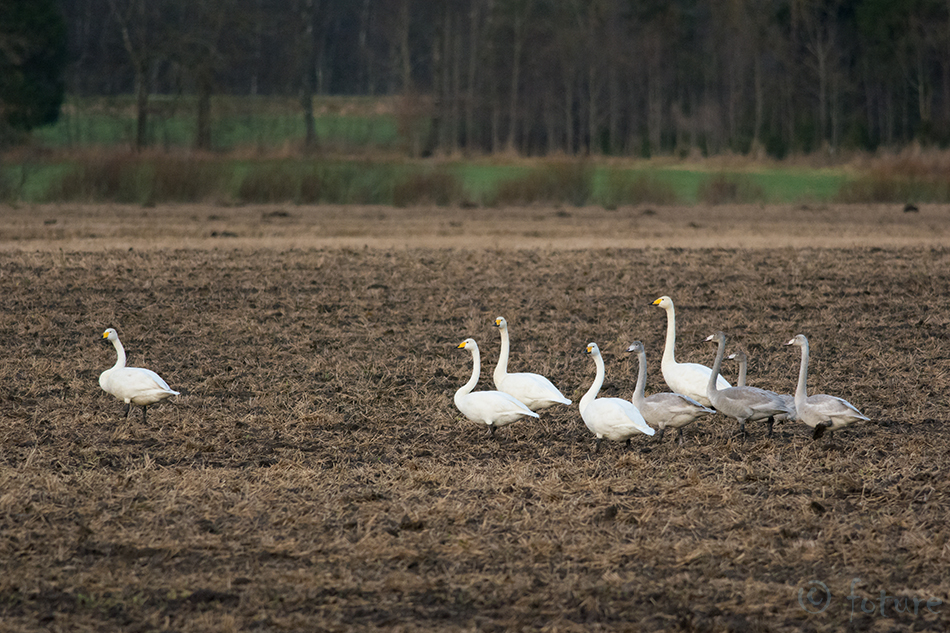
Öeldakse, et luiged läinud, lumi taga. No minge siis juba! Mida te ootate? Laululuiged mõne päeva eest Harjumaa (lumetutel) põldudel.
There is an estonian saying - the geese are leaving, the snow arrives. Well then, go already! What are you waiting for? The Whooper Swans some days ago on the fields (without snow) of Harjumaa, Estonia.

19. detsember 2015

Impala, Aepyceros melampus

Üksik isane impala savannis jalutuskäiku tegemas.
Lonely impala buck strolling around in savannah.
Kuigi tegelikult ei ole impalad praktiliselt kunagi üksi. Liigutakse väga suurte karjadena, sest nii on ohutum. Kohalikud naljahambad nimetavad seda looma lõvide kiirtoiduks, sest impala tagaosas (jalgadel ja tagumikul) jooksevad tumedad triibud, mis kokku moodustavad kaarja M-tähe, mis sarnaneb kahtlaselt Mcdonaldsi logole. Krugeri rahvuspark, LAV.
Although the impalas are almost never alone. They move around in large herds as it is safer that way. The local jokers call impala "a fast food for lions". It is due to the fact that there is a dark line running on their backside (legs and buttocks) that forms an arched M-shape that is suspiciously similar to the Mcdonalds logo. Kruger National Park, South Africa.

18. detsember 2015

Rasvatihane, Parus major


Teada-tuntud rasvatihane on lind, kes on äärmiselt jutukas. Tal on tuvastatud peaaegu 100 erinevat häälitsust ning mida "sõnaosavam" isaslind on, seda edukam on ta ka pesitsusajal. Fotod tehtud Harjumaal.
Very common Great Tit is exceptionally talkative. There are identified almost 100 different sounds and the more "eloquent" the male bird is, the more successful it is during the nesting period. The photos are taken in Harjumaa, Estonia.

17. detsember 2015

Väikeviu, Rupornis magnirostris griseocauda

Väikeviu, Rupornis magnirostris griseocauda, Roadside Hawk, Buteo, Asturina, Insect, Tropical Broad-winged, Large-billed, viu

Väikeviud (pikkust linnul kuni 30cm) võib kohata praktiliselt terves Ladina-Ameerikas - Mehhiko keskosast Argentiina keskosani - kuid see levila jaguneb 12 alaliigi vahel (erineb vaid ladinakeelne nimi). Eluks sobivad praktiliselt kõik keskkonnad välja arvatud paks vihmamets. Toiduks tarvitab see viu peamiselt putukaid, sisalikke ja väiksemaid imetajaid, kusjuures lemmiktoiduks on noored ahvid. Vahest jääb küünte vahele ka mõni lind, kuid seda pigem harva. Tegemist on üsna agressiivse linnuga, mistõttu võib ta vabalt rünnata ka inimest, kui see pesale väga lähedale satub. Fotod tehtud ühel tulikuumal päeval Nicoya poolsaarel, Costa Ricas.
Roadside Hawk is a small raptor (length up to 30 cm) that you can find in most of Latin America - from central Mexico to central Argentina. It is one species but this species is divided between 12 subspecies (only latin name is different). Practically all habitats are suitable, dense rainforest excluded. The main diet consists of insects, lizards and small mammals, but the absolute favorite food are juvenile monkeys. This hawk sometimes also catches birds but it is rather uncommon. Roadside hawk is an aggressive bird that may even attack humans if they wander too near to the nest. The photos are taken on a very hot day in Nicoya peninsula, Costa Rica.

16. detsember 2015

Tuttvart, Aythya fuligula

Tuttvart, Aythya fuligula, Tufted Duck, Pochard, vart
Tuttvart on sõbralik lind. Lisaks sellele, et elutsetakse oma liigikaaslastega suurtes kogumites, ei tõugata eemale ka teisi partlasi ning vahel sokutatakse end lausa kajakate kolooniasse. Sõbralikkuse olulisim põhjus on kaitse vaenlaste eest - mida rohkem ja mida häälekam on kogukond, seda turvalisem on eluolu ka tuttvartidel. Läänemaa.
Tufted Duck is a friendly bird. Besides the fact that they create large nesting populations with its own species, they do not turn down other ducks and sometimes even nest in gull colonies. The main reason behind friendship is security - the larger and louder the colony is, the safer it is also for the tufted ducks. Läänemaa, Estonia.

15. detsember 2015

Händ-kangurlind, Euplectes progne


Ülipika sabaga händ-kangurlind elutseb Aafrikas erinevais paigus, kuid kõige suurem levila on kontinendi lõunaosas. Kusjuures kõik suuremad levilad on üksteisest isoleeritud - ei ole nii, et Kongo linnud jõuavad Svaasimaale või LAV omad Etioopiasse. Oma eluviisilt sarnaneb ta üsna palju teiste kangurlindudega - liigutakse parvedes, pesad "kootakse" rohukõrtest ning põhitoiduks on seemned.
Ülemistel piltidel on uhked täiskasvanud isased, alumisel pildil aga isane noorlind (mis sarnaneb pigem emasele). Kõik fotod tehtud Sterkfonteindami looduskaitsealal, LAV-s.
You can find Long-tailed Widowbird with its exceptionally long tail in different places in Africa but the biggest population is in the southern part of the continent. And the different populations are isolated - the widowbirds of Congo do not find its way to Swaziland and also the Ethiopian birds do not mix with South African ones. This widowbird is quite similar to weavers - it moves around in flocks, the nests are woven from grass and the main diet consists of seeds. 
On the upper photos you can see fancy adult males, on the lower one a nonbreeding male (that is similar to female). All the photos are taken in Sterkfonteindam Nature Reserve, South Africa.

14. detsember 2015

Viupart, Anas penelope

Viupart hangib omale toitu vee alla sukeldudes, söögiks sobivad nii veepõhjas olevad taimed kui ka juured.
European Wigeon searches for food diving under water and it prefers the roots and leaves of the underwater plants.
Eestis kohtab neid peamiselt rändel ja rändavad viupardid väga suurtes parvedes. Rännete tippajal võib Eesti lääneosa vetel neid korraga kohata tuhandete kaupa. Fotod tehtud Harjumaal.
In Estonia one can mainly see the bird during the migration and these ducks migrate in very large flocks. At the peak of the migration, you can see the wigeons in thousands, on the water bodies of western Estonia. The photos are taken in Harjumaa, Estonia.

13. detsember 2015

Väike-roostepääsuke, Cecropis abyssinica


Roostevärvi pea ja triibulise kõhuga väike-roostepääsuke on Aafrikas üsna levinud pääsukeseliik. Ta on käitumise poolest väga sarnane meie suitsupääsukesega - teda ei häiri inimeste lähedus ja oma saviplönn-pesasid ehitab samuti vahest hoonete külge. Ülemine paarike jäi objektiivi ette Krugeri rahvuspargis ja alumine lind uMkhuze kaitsealal, mõlemad Lõuna-Aafrika Vabariigis.
Lesser striped swallow with its rusty head and streaked chest is quite common in Africa. It is rather similar to our own barn swallow concerning the behaviour - it is not bothered with the presence of humans and it also builds the mud nests on the buildings. The pair in the upper photo was caught in camera in Kruger National Park and the one in the lower photo in  uMkhuze Game Reserve, Mkuze, South Africa.

12. detsember 2015

Suur-laukhani, Anser albifrons


Kevadine Eesti põllumeeste nuhtlus - suur-laukhaned. Tärkav oras on lindude üks lemmiktoite, kuid õnneks mitte ainus toit. Lisaks tarbitakse ka muid taimi, nende juuri, marju, seeni ning samuti erinevad molluskeid ja veeputukaid. Kuna tegemist on veelinnuga, siis kõige suurema löögi all on need põllud, mis asuvad veekogude ja märgalade lähedal. Fotod tehtud Pärnumaal ja Harjumaal.
The spring nuisance of Estonian farmers - Greater White-fronted Geese. The seedlings on the fields are their favorite food but fortunately no the only food. Besides that the birds consume other plants, its roots, berries, mushrooms and also different crustaceans and water insects. As the whitefront is a water bird, the fields near the water bodies are the most likely targets. The photos are taken in Pärnumaa and Harjumaa, Estonia.