20. aprill 2015

Kuldlauk-lootoselind, Jacana spinosa

Kuldlauk-lootoselind, Jacana spinosa, Northern Jacana, jassaana, Middle American, jaçana
See lootoselind ei ole hüppamas või ümber kukkumas - tal on lihtsalt väga pikad jalad, mis jäävad rohu varju. Siin postituses on näha tema Aafrika sugulase hiidvarbaid, kuldlauk-lootoselinnul on täpselt samasugused. Caño Negro, Costa Rica
This northern jacana is not jumping or falling over - it just has extremely large feet that are hidden in the tall grass. In this post you can see the huge "toes" of its African relative, northern jacana has the toes just like that. Caño Negro, Costa Rica.
19. aprill 2015

Naerukajakas, Larus ridibundus

Naerukajakas, Larus ridibundus, Black-headed Gull, Common, Chroicocephalus, kajakas
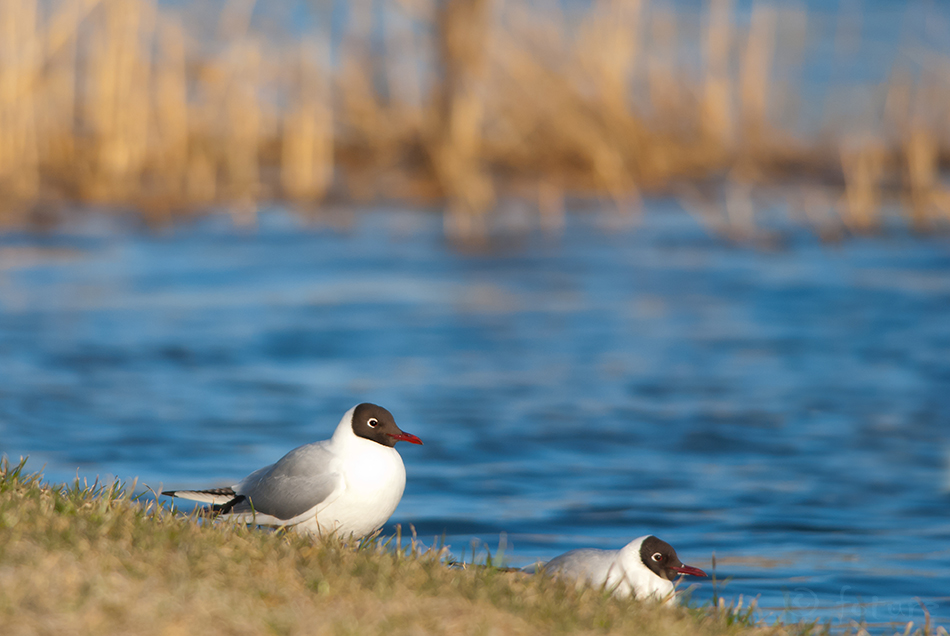
Perve peal. Naerukajakad Harjumaal päikeselist kevadilma nautimas.
On the edge. The Black-headed Gulls enjoying the sunny spring day in Harjumaa, Estonia.

18. aprill 2015

Sisalikukull, Kaupifalco monogrammicus

Hämar tüüp. Sisalikukull Krugeri rahvuspargis, Lõuna-Aafrika Vabariigis.
Shady character. Lizzard buzzard in Kruger National Park, South Africa.

17. aprill 2015

Suurkudu, Tragelaphus strepsiceros

Suurus loeb küll. Suurkudude karjas on suurim isane liider ja karjajuht. Kui mõõdud on enam-vähem samad, siis ristatakse sarved ja vaadatakse, et kes peale jääb (reeglina võitluses väga veriseks ei minda). Muide suurkudu sarvedest teevad Aafrika rahvad ka võimsa häälega muusikainstrumente. Uhke isane Kruger rahvuspargis, LAV-s. 
Size does matter. In the herd of greater kudus the largest male is the leader. If there are two males approximately the same size, the the horns will be crossed and the victor gets the title (usually the fights do not result in injuries). By the way, the greater kudu horn is a material for a powerful sounding musical instrument in Africa. Glorious male in Kruger National Park, South Africa.

16. aprill 2015

Harilik leeguan, Iguana iguana

Harilik leeguan, Iguana iguana, Green iguana, sisalik, Roheleeguan, iguaan, roheline, American, common
Kui tavaliselt on loomade pildistamisega nii, et parim aeg kedagi näha on hommikul vara või enne päikeseloojangut, siis leeguanidega on vastupidi. Nemad ronivad nähtavale siis kui päike on kõrgel, sest loomade üheks lemmiktegevuseks on päikese käes peesitamine. Valgus on küll pildistamiseks väga järsk, aga no mis teha. Vähemalt on loomad paigal. Alajuela provints, Costa Rica.
Usually, the best time to photograph and see animals is during the sunrise or sunset. With iguanas it is the other way around. They come out when the sun is up high because one of their favorite pastimes is basking in the sun. The light is harsh then but what can you do. At least they are not moving much. Greein iguana in Alajuela province, Costa Rica.

15. aprill 2015

Puukoristaja, Sitta europaea

Puukoristaja, Sitta europaea, Eurasian Nuthatch, European, Wood
Puukoristaja oma tööpõllul. Tartumaa.
Eurasian Nuthatch in Tartumaa, Estonia.

14. aprill 2015

Suur-siniraag, Coracias naevius

Oma lähisugulastest oluliselt igavama välimusega suur-siniraag on üsna keevaloomuline lind. Niipea kui mõni teine siniraag või vareslane või ka väiksem röövlind satub territooriumile, mida ta peab enda omaks, toimub kohe rünnak. Õnneks fotograafidega lind nii resoluutne ei ole. Krugeri rahvuspark, LAV.
Purple Roller is quite ill-tempered bird and much duller looking than its close relatives. If another roller or a crow or a small raptor happens to find itself in a territory that this roller considers its own, the attack is imminent. Fortunately it is not that pugnacious towards photographers. Kruger National Park, South Africa.

13. aprill 2015

Harilik sinilill, Anemone hepatica, Common Hepatica

Kevad on jõudnud Tartumaa metsadesse.
The spring has arrived to the forests of Tartumaa, Estonia.

11. aprill 2015

Laimokk-ninasarvik, Ceratotherium simum simum

Minna või mitte minna?
To go or not to go?
Minna! Laimokk-ninasarvik uMkhuze looduskaitsealal, Lõuna-Aafrika Vabariigis.
To go! White rhinoceros in uMkhuze Game Reserve, Mkuze, South Africa.

10. aprill 2015

Nikaraagua leeträhn, Melanerpes hoffmannii

Nikaraagua leeträhni kohtab ainult kesk-Ameerika keskosas, Hondurase lõunaosast Costa Ricani. Nagu enamus rähnidest, toitub ka tema kõdunenud puudest saadavatest vakladest ja muudest putukatest, kuid mitte ainult. Söögiks lähevad ka puuviljad (erilised lemmikud on viigimarjad) ning õienektar. Elupaigana eelistab avamaastike, tihedaid metsasid väldib. Pildil on emaslind, Caño Negro looduskaitsealal, Costa Ricas.
You can meet Hoffmann's woodpecker only in central parts of Central America, from southern Honduras to Costa Rica. As most of the woodpeckers, it feeds on the larveae and insects extracted from decaying wood. But not only. This species is also keen on the fruits (especially figs) and flower nectar. As an habitat Hoffmann's woodpecker prefers open areas and avoids dense forests. The photo of this female bird is taken in Caño Negro Wildlife Refuge, Costa Rica.

9. aprill 2015

Musträstas, Turdus merula

Musträstas, Turdus merula, Common Blackbird, rästas, Eurasian, Black Thrush

Metsaalune on praegu linnulaulu pilgeni täis, minu kodu ümbruses domineerivad musträstad. Eile õhtuhämaruses otsustas üks nendest väikese pausi teha ja "töötas" vaikselt metsaalust läbi, otsides lehtede alt söögipoolist. Harjumaa.
The forests are full of bird song in Estonia, near my home the common blackbird is the dominating species. Yesterday evening one of them decided to make a small pause and "worked through" the undergrowth in the search of food. Harjumaa, Estonia.
Laulu salvestaja/song recorded by: Mikael Litsgård, xeno-canto.org

8. aprill 2015

Välja-roostepääsuke, Cecropis semirufa

Piksabaline välja-roostepääsuke elutseb ainult Aafrika kuivadel avamaastikel. Pesa ehitab mudast nagu ka näiteks meie oma suitsupääsuke, kuid erinevuseks on see, et pesa on üleni kaetud ning sinna viib väike tunnel. Ilmselt on lõunamaal vainlasi rohkem :) uMkhuze looduskaitseala, LAV
The habitat of Red-breasted Swallow is African dry open country. The nest is built using the mud (like our own barn swallow) but the difference is that it is fully covered and there is a small tunnel that leads into the nest. Probably because there are more enemies in Africa. uMkhuze Game Reserve, Mkuze, South Africa.

7. aprill 2015

Vervetahv, Chlorocebus pygerythrus

Äärmuslikult uudishimulik vervetahv uMkhuze kaitsealal, LAV-s. Nägu on tal koos nn palavikupuu (ametlik nimi vist toonikuakaatsia) kollase vaiguga, mis on antud ahvide üks lemmiktoitusid.
Extremely curious vervet monkey in uMkhuze Game Reserve, Mkuze, South Africa. The face is covered with the yellow gum of the fever tree (Acacia xanthophloea) which is one of the favorite foods of this animal.

6. aprill 2015

Suur-laukhani, Anser albifrons

Kevad on käes! Suur-laukhaned Pärnumaal.
The spring is here! Greater White-fronted Geese in Pärnumaa, Estonia.

5. aprill 2015

Roosarind-täpikamadiin, Hypargos margaritatus

Kauneid pühi kõigile! Loodetavasti on kodudes laua peal munad sama värvilised ja/või täpilised kui see roosarind-täpikamadiin :) uMkhuze kaitseala, LAV.
Happy Eastern to everyone! Hopefully the eggs on your tables are as colorful and/or spotted as this pink-throated twinspot :) uMkhuze Game Reserve, Mkuze, South Africa

4. aprill 2015

Kihid

Ookeanikihid Lõuna-Aafrika Vabariigi rannikul.
Ocean layers on the coast of South Africa.

3. aprill 2015

Ronk, Corvus corax

Ronka peetakse targeimaks linnuks maailmas. Lisaks sellele on ta ka üsna ettevaatlik, mistõttu lähedalt saab selle linnu fotole ainult siis, kui istud kusagil varjes ja ta ei näinud seda hetke kui sa sinna varjesse läksid. Möödalennul jääb kaaren tihemini objektiivi ette. Harjumaa.
The raven is considered to be the smartest bird in the world. Besides that, it is very cautious. You can take a closeup photo of the raven only when you are in a hide and it did not see you entering the hide. The bird gets in front of the lens more often during a fly-by. Harjumaa, Estonia.

2. aprill 2015

Linavästrik, Motacilla alba

Linavästrik, Motacilla alba, White Wagtail, Pied
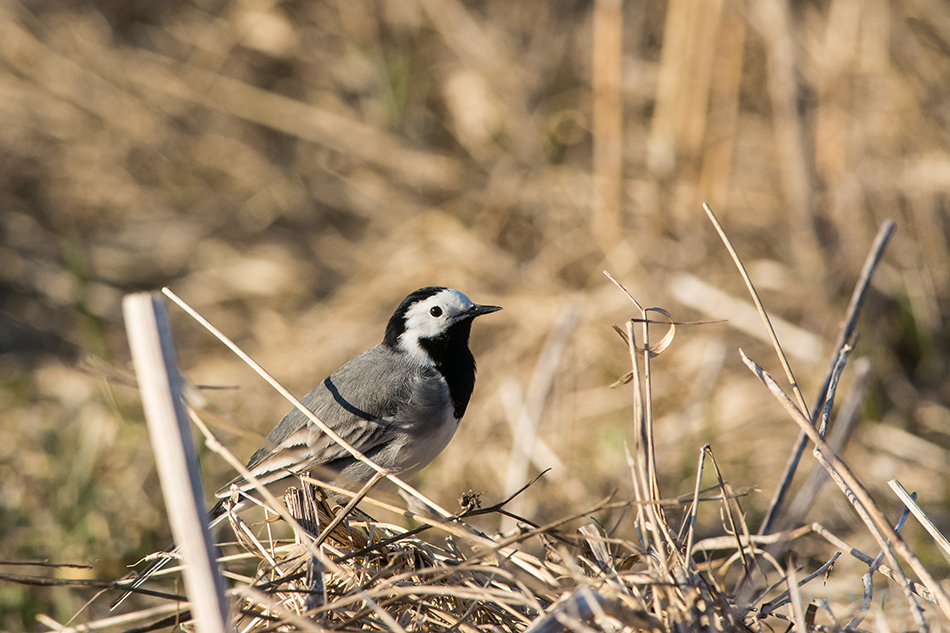
Kevade märgid on õhus (ja ka maapinnal), kuigi ilm on kohati ikka üsna talviste nootidega. Foto tehtud Pärnumaal.
The signs of spring are in the air (and also on the ground), although the weather still offers some wintry notes. White wagtail in Pärnumaa, Estonia.

1. aprill 2015

Kõnnu-leekamadiin, Lagonosticta rhodopareia

Kõnnu-leekamadiin on Aafrika mandril üsna levinud liik. Eelistatud elupaigad jäävad veekogude lähedusse, isegi siis kui see elupaik on muidu kuiv ja eluks mitte just väga sobilik. Hlane kuninglik rahvuspark, Svaasimaa.
Jameson's Firefinch is a quite common species in African continent. The favorite habitat is near the water bodies even if the this habitat is otherwise arid and not very habitable. Hlane Royal National Park, Swaziland.