20. juuli 2014

Lambahänilane, Motacilla flava flava

Lambahänilane, Motacilla flava flava, Blue-headed Wagtail, Yellow, hänilane
Lambahänilane rannakarjamaa ääres asuval pillirool kõõlumas. Pärnumaa.
Blue-headed yellow wagtail swaying on a reed stem. Pärnumaa, Estonia.

19. juuli 2014

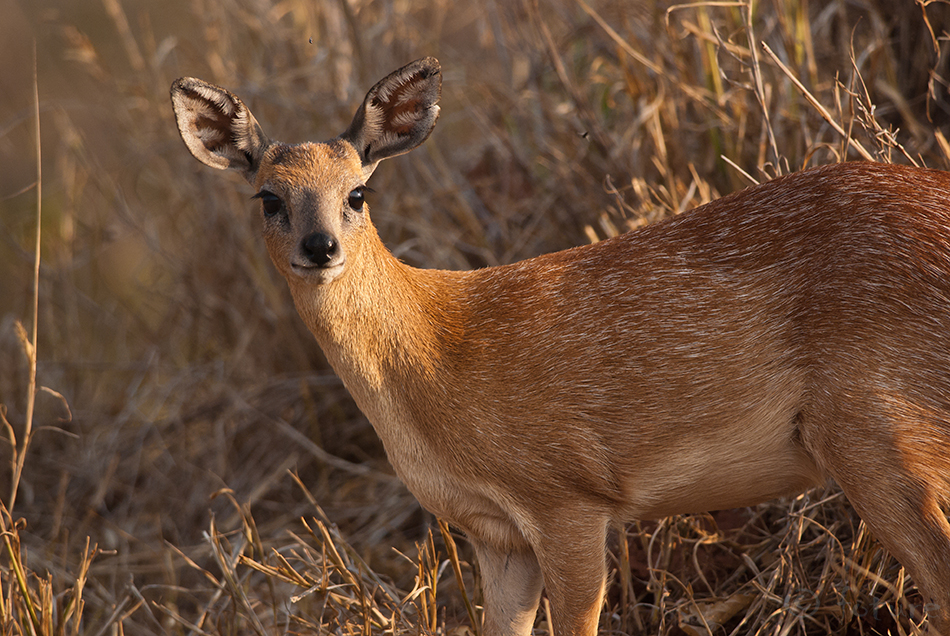
Sharpe'i grysbok, Raphicerus sharpei

Ligikaudu poole meetri kõrgune Sharpe'i grysbok on Aafrika savannides levinud antiloobiline, kuid näeb teda pigem harva. Neile meeldib ringi konnata öösiti ning päeval on loomad pigem kusagil võsas või kõrge rohu sees pikali. Iga väiksemagi häirimise või kahtlase liikumise peale panevad nad aga tagasi vaatamata minema. Krugeri rahvuspark, LAV.
About 50 cm tall Sharpe's grysbok is a common antelope in African savannahs but it is quite rarely seen. They are nocturnal browsers and spend the day in the protective cover of tall grass or shrubs. At the first sign of anything unusual they move well away from where the disturbance occurred before stopping. Kruger National Park, South Africa.

18. juuli 2014

Sookiur, Anthus pratensis

Sookiur, Anthus pratensis, Meadow Pipit, kiur
Võimsate küünistega sookiur rannikuäärses pilliroos, Pärnumaal.
Meadow pipit with its notable claws. The photo is taken in coastal reeds in Pärnumaa, Estonia.

17. juuli 2014

Prionops plumatus, White-crested Helmet-shrike

Eesti keeles nime taaskord pole, kuid tinglikult võiks neid kutsuda kiiver-õgijateks. Sarnaselt meil elavatele õgijatele, on ka nemad lihasööjad - õgitakse mardikaid, liblikaid, vaklu, sipelgaid, ämblikke ja väikeseid sisalikke. Lind on laialt levinud praktiliselt tervel Aafrika kontinendil. Ülemine pilt on tehtud Krugeri rahvuspargis LAV-s, alumine aga Hlane kuninglikus rahvuspargis, Svaasimaal.
Helmetshrike is a carnivore like the shrikes in Europe. Their diet consists of beetles, moths, caterpillars, ants, spiders and small lizards. White-crested helmet-shrike is widespread in Africa and you can find it almost everywhere in the continent. The upper photo is taken in Kruger NP, South Africa and the lower one in Hlane Royal National Park, Swaziland.

15. juuli 2014

Jääkoskel, Mergus merganser

Jääkoskel, Mergus merganser, Goosander, common, koskel
Isane ja...
Male and...
Jääkoskel, Mergus merganser, Goosander, common, koskel
..emane. Jääkoskel on lind, kellel on hambad. Sakiline noka sisemus aitab tal paremini kalu püüda ning ta on Eestis üks väheseid partlasi, kes ka suurematele kaladele jahti peab. Läänemaa.

...female. Goosander is a bird that has teeth. The serrated beak helps them to fish better and it is one of the few ducks in Estonia that also goes after the larger fish. Läänemaa, Estonia.

14. juuli 2014

Sinignuu, Connochaetes taurinus

Aafrika üks arvukamaid antiloobilisi - sinignuu. Suure rännaku korral on liikvel kümnete tuhandete isendite suurused karjad, kuid kevadises Krugeri rahvuspargis (septembris), võis neid peamiselt kohata ühekaupa. 
One of the most numerous antelopes in Africa - blue wildebeest. During the great migration the herds with the head count of tens of thousands are moving around. In the spring time in Kruger National Park (in September) you mainly saw them one at a time. 

13. juuli 2014

Jaanalind, Struthio camelus

Ainus kohtumine jaanalindudega. Vastupidiselt lapsest saati pähe taotud (väär)infole, ei peida need suured linnud ohu korral pead liiva alla vaid...
Only meeting with the ostriches in my trip. Contrary to the (false) information that has been hammered into my head since childhood, these big birds do not bury their heads in the sand when threatened but...
...panevad lihtsalt jooksu. Äärmiselt ebaoriginaalne käitumine, ma ütleks. Pildil nii emas- kui isaslind (must). Krugeri Rahvuspark, LAV. 
... simply run away. Incredibly unoriginal behavior, I would say. On the photos are the female and the male fowl (black). Kruger National Park, South Africa.

12. juuli 2014

Merisk, Haematopus ostralegus

Merisk, Haematopus ostralegus, Eurasian Oystercatcher, palearctic, common, european, pied
Kahtlustava pilguga pikanokaline merisk kaunist suveilma nautimas. Läänemaa.
Long-billed Eurasian Oystercatcher with the suspicious look enjoying the sunny summer day. Läänemaa, Estonia.

11. juuli 2014

Kuldne Aafrika

Kaunis loojang St Lucia järvel, iSimangaliso rahvuspargis, Lõuna-Aafrika Vabariigis.
Golden African sunset on lake St Lucia, iSimangaliso Wetland Park, South Africa.

10. juuli 2014

Hall-sarvnokk, Tockus nasutus

Eks ka lindudel on koidu ajal vahest keeruline silmi lahti saada.
Sometimes the birds have also difficulty to open their eyes at dawn.
Hall-sarvnokk on teistest sarvnokkadest küll mõnevõrra väiksem, kuid seda kompenseerib ta oma suurema nn nokakiivriga. See kiiver toetab suurt nokka ning võimaldab ka paremini ja kõvemini häälitseda.
African Grey Hornbill is bit smaller than the other hornbills but the bird compensates it with its casque. The casque supports the large bill and enhances vocal calls.
Huvitava faktina tooksin välja pesitsemise taktika. Emaslind teeb pesa puuõõnsusse ja müürib end sinna kinni terveks haudeperioodiks (kasutades selleks muda ja väljaheiteid). Haudujat toidab isaslind läbi väikese pilu, emaslind murrab sealt kindlusest välja alles siis kui pojad on ühekuused. Kõik pildid tehtud Krugeri rahvuspargis, Lõuna-Aafrika Vabariigis.
What is interesting with grey hornbill is the nesting. The female will build a nest inside a tree hollow and will block herself in using mud and droppings. The male will continue to feed the female through a small hole throughout the incubation. Once the chicks are around 30 days old, the female will finally break out. All the photos are taken in Kruger National Park, South Africa.

9. juuli 2014

Karmiinleevike, Carpodacus erythrinus

Karmiinleevike, Carpodacus erythrinus, Common Rosefinch, Scarlet, leevike, vint
Karmiinleevike on üsna vastuolulise käitumisega kui teda pesa lähedal häiritakse. Mõned isendid jäävad paigale ning lasevad end kasvõi katsuda, teised aga lahkuvalt pesalt ning ei tulegi kunagi enam tagasi. Seda viimast on siiski rohkem ning eriti siis kui haudumisega ollakse lõpusirgel. Harjumaa.
Rosefinch has quite a controversial behaviour when it is disturbed near the nest. Some will remain in place and can even be touched but some will fly away and never come back. This last option, however, is much more likely, especially when the hatching is at the final stage. Harjumaa, Estonia.

8. juuli 2014

Välu-kärbsenäpp, Muscicapa adusta

Välu-kärbsenäpp on hea tõestus selle kohta, et kõik linnud ei ole troopikas värvikirevad. uMkhuze looduskaitseala, LAV.
African Dusky Flycatcher is a perfect example of the fact that not all the African birds are colorful. But it is cute anyway. uMkhuze Game Reserve, South Africa.

7. juuli 2014

Küürvaal, Megaptera novaeangliae

Vaalade nägemine on alati meeliülendav kogemus. Enamasti see pole siiski lihtne ja ka vaalavaatlusretkede puhul ei lubata seda, et 100% neid massiivseid loomi näeb. Aga kui juhtub nii, et näed küürvaalade lustimist rannaliival istudes, siis tead, et oled õnnega koos. Täpselt nii aga juhtus St Lucia rannas, iSimangaliso Märgala kaitsealal, LAV-s. Noored küürvaalad lehvitasid uimesid, prantsatasid vette ja sukeldusid uhkelt sabaga viibutades ligikaudu 100 meetri kaugusel rannast. Fotod ei ole muidugi teab mis šedöövrid, kuid elamus oli selle eest võimas.
Seeing the whales is always a truly uplifting experience. Usually it is not easy and even the whalewatching trips do not promise a 100% hit rate of seeing these massive creatures. But if you happen to sit on the beach and see humpback whales having fun near the shore then you know that you are lucky. Precisely that happened to me on the beach of St Lucia in iSimangaliso Wetland Park, South Africa. The young humpbacks were waving the fins, slammed into the water and dived with showing off the tails about 100 metres from the shoreline. The photos are not that grand but the emotion was incredible.

6. juuli 2014

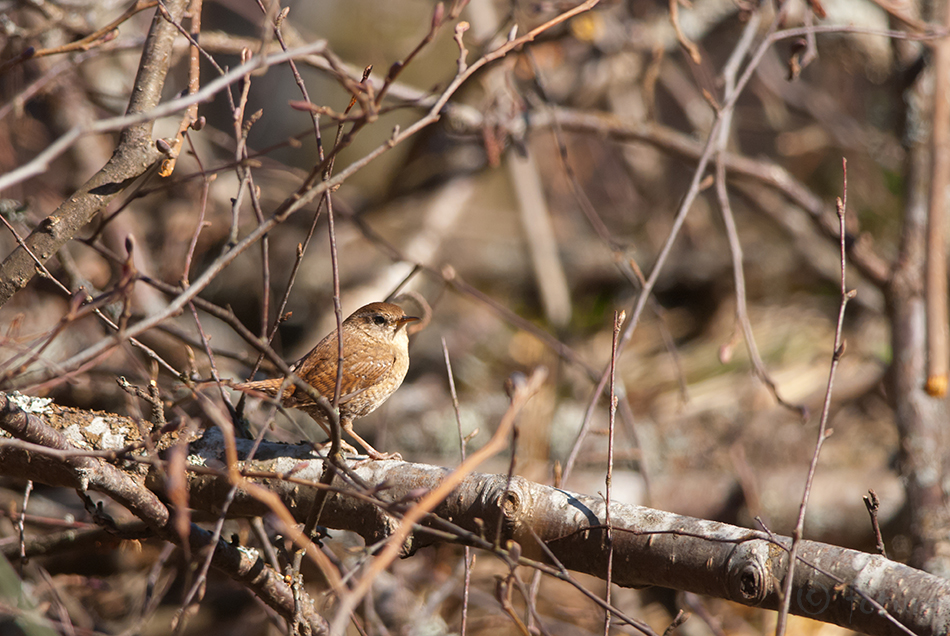
Käblik, Troglodytes troglodytes

Käblik, Troglodytes troglodytes, Northern Wren, common, Eurasian, Nannus
Käblik peab vihast võitlust Eesti väikseima linnu tiitli nimel, kuid siiani on pidanud ta pöialpoisile alla vanduma. Siiski on ta oma 9 sentimeetriga palju märkamatum kui temast 1 cm lühem tabeliliider. Põhjus selles, et ta liigub ringi peamiselt võserikes ning ka värvus võimaldab tal paremini tausta sulanduda. Harjumaa.
Northern Wren has always had a fierce fight with the Goldcrest for the title of "the smallest bird in Estonia" but so far has always come second. Still it is much less noticeable with its 9 centimeters than the 1 cm smaller chart leader. It is due to the fact that it usually moves around in thickets and the plumage also helps to blend in to the background more easily. Harjumaa, Estonia.

5. juuli 2014

Salu-ruugeööbik, Cossypha heuglini

Mõnikord tulevad linnud fotograafile liiga lähedale. Krugeri RP, LAV.
Sometimes the birds come too close to the photographer like this White-browed Robin-Chat. Kruger NP, South Africa.

4. juuli 2014

Rukkirääk, Crex crex

Rukkirääk, Crex crex, Corncrake, Corn Crake, rääk
Lind, keda näeb vaid hea õnne korral, kuid kuuleb praktiliselt alati kui kevadsuvel mõne heinamaa lähistele sattuda. Tema krääksumist ei saa ühegi teise linnu lauluga segamini ajada. Heinamaad on selle linnu kodu, kuid samas põhjus, miks ta on sattunud ohustatud liikide nimekirja. Niitmine hävitab massiliselt rukkiräägu pesi, eriti kui niidetakse väljapoolt sissepoole st viimane heinariba on põllu keskel ja lindudel pole kuhugi põgeneda (räägud eelistavad rohu sees jooksmist lendamisele). Harjumaa.
Corn crake is a bird that you rarely see but quite probably  hear when you happen to be near a meadow or a hayfield in late spring or early summer. Its craking sound cannot be confused with anything. The hayfield is home for this bird but also a reason why it is threatend today. Cutting the hay destroys the nests of the corncrake in bulk, especially if the field is cut from outside in so the last strip of grass is in the middle of the field and the birds have nowhere to escape (crakes prefer running in the grass to flying). Harjumaa, Estonia.

3. juuli 2014

Ajupuit

Ajupuit India ookeani kaldal, Lõuna-Aafrika Vabariigis.
Driftwood on the shores of Indian ocean in South Africa.

2. juuli 2014

Tutt-udelind, Trachyphonus vaillantii

Naljaka eestikeelse nimega, kuid teistest selgelt eristuva välimusega, tutt-udelind kevadises hägus. Krugeri rahvuspark, LAV.
Crested Barbet and the spring haze. Kruger National Park, South Africa.

1. juuli 2014

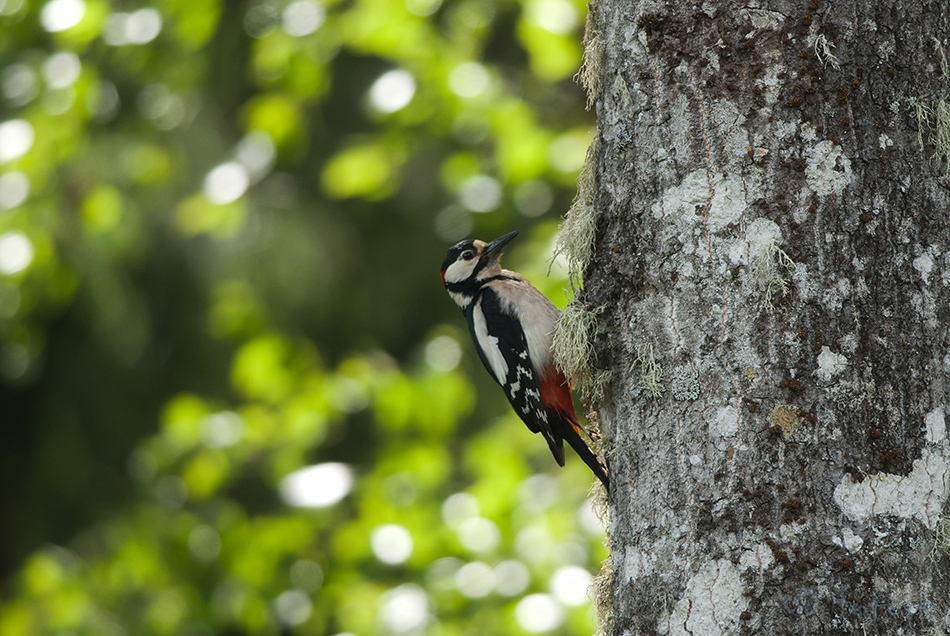
Suur-kirjurähn, Great Spotted Woodpecker

Suur-Kirjurähn, Dendrocopos major, Great Spotted Woodpecker, Greater Pied, rähn, Picoides
Kuigi ilmad otseselt sellele ei viita, on tegelikult käes suvi ja...
Although the weather in Estonia suggests otherwise, it is actually summer and...
Suur-Kirjurähn, Dendrocopos major, Great Spotted Woodpecker, Greater Pied, rähn, Picoides
...lindudel pojad kohe pesast lahkumas (või juba lahkunud). Need rähnipojad siiski kasutavad veel viimast võimalust ja lasevad end teenindada. Harjumaa.
...the spring broods are ready to leave the nests (some already have). These young Great Spotted Woodpeckers, though, use the last chance and allow to serve themselves. Harjumaa, Estonia.