Kuvatakse päringule Troglodytes troglodytes vastavad postitused asjakohasuse alusel. Sortimine kuupäeva alusel Vaadake kõiki postitusi

12. september 2017

Käblik, Troglodytes troglodytes

Käblik, Troglodytes troglodytes, Nannus troglodytes, Northern Wren, common Käblik, Troglodytes troglodytes, Nannus troglodytes, Northern Wren, common
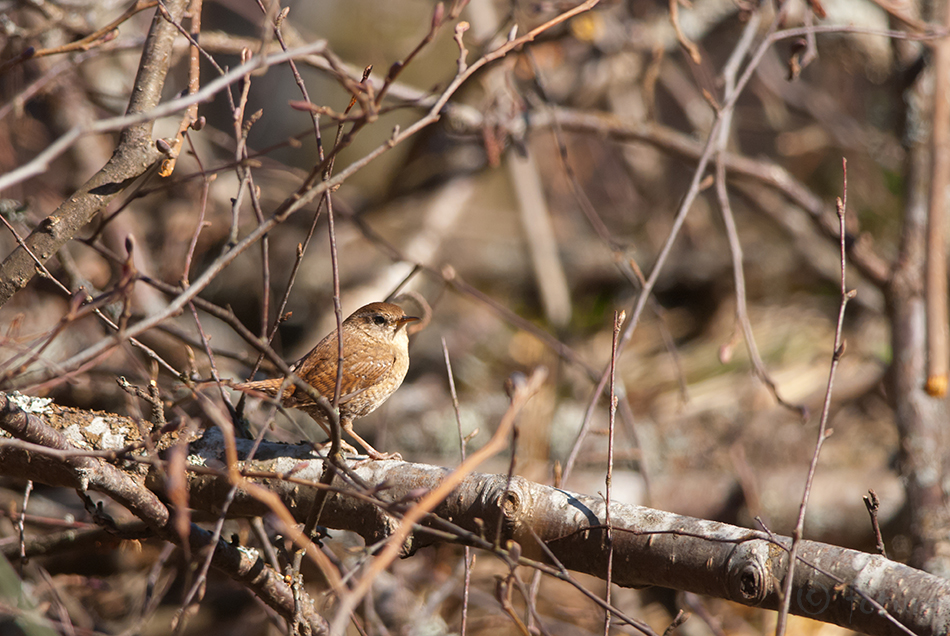
Käblik ja eilsel pildil olnud koolibri on täpselt ühepikkused (9-10,5 cm), kuid käblik on oluliselt "raskema kondiga". Kui käblik võib kaaluda isegi kuni 10 grammi, siis selle koolibri kaalunumbrid jäävad selgelt 5 grammi alla. Fotodel olev käblik tegutses sügiseses Harjumaa metsas.
Northern wren and hummingbird from yesterday's photo are exactly the same size (9-10,5 cm) but the wren is much more "chubby". Eurasian wren can weigh up to 10 grams but the weight of the hummingbird remains clearly under 5 grams. The bird on the photos above was operating in the autumn forest of Harjumaa, Estonia.

23. juuli 2016

Käblik, Troglodytes troglodytes

Käblik, Troglodytes troglodytes, Northern Wren, common, Eurasian, NannusKäblik, Troglodytes troglodytes, Northern Wren, common, Eurasian, Nannus
See on harv juhus kui käblik risu seest nähtavale suvatseb tulla, kuid vahel seda siiski juhtub. Ühe sellise momendi sain pildile Tartumaal.
It is quite a rare occasion when Northern Wren decides to come out of the thicket but it does happen sometimes. I managed to capture one of those moments in Tartumaa, Estonia.

11. november 2015

Käblik, Troglodytes troglodytes

Käblik, Troglodytes troglodytes, Northern Wren, common, Eurasian, Nannus
Käblik ehk risulind oma lemmikkeskkonnas - tihedas võsas. Harjumaal.
Eurasian wren in its favorite environment - thicket. In Harjumaa, Estonia.

27. detsember 2021

Käblik, Troglodytes troglodytes

Käblik, Troglodytes troglodytes, Nannus troglodytes, Northern Wren, common
Tilluke käblik nautimas Eestimaa talve. Harjumaa.
Tiny Northern Wren enjoying the winter in Harjumaa, Estonia.

4. märts 2021

Käblik, Troglodytes troglodytes

Käblik, Troglodytes troglodytes, Nannus troglodytes, Northern Wren, common
Käblikul on pikkust tervelt 10cm ning julgeimad neist (mõnisada lindu) jäävad talveks ka Eestisse. Foto sai tehtud Harjumaal, ühe kiire vooluga jõe kaldal.
Northern Wren stands 10cm tall and the most courageous ones (couple of hundred birds) also winter here in Estonia. The photo was taken by a small creek in Harjumaa.

27. september 2025

Käblik, Troglodytes troglodytes

Käblik, Troglodytes troglodytes, Northern Wren, common, Eurasian, Nannus
Väike käblik oksarisus poseerimas. Tartumaa. 
A little wren posing in a tangle of branches. Tartumaa, Estonia.

19. jaanuar 2025

Käblik, Troglodytes troglodytes

Käblik, Troglodytes troglodytes, Northern Wren, common, Eurasian, Nannus
Käblik oma koduuksel. Tallinn.
Northern Wren on his doorstep. Tallinn, Estonia.

9. jaanuar 2018

Käblik, Troglodytes troglodytes

Käblik, Troglodytes troglodytes, Northern Wren, common, Eurasian, Nannus
Käblik Harjumaa tihnikus.
Northern wren in a thicket in Harjumaa, Estonia. 

17. jaanuar 2024

Käblik, Troglodytes troglodytes

Käblik, Troglodytes troglodytes, Northern Wren, common, Eurasian, Nannus
Tilluke käblik talvise jõe kaldal. Harjumaa.
Tiny Northern Wren by an open creek in winter. Harjumaa, Estonia. 

6. juuli 2014

Käblik, Troglodytes troglodytes

Käblik, Troglodytes troglodytes, Northern Wren, common, Eurasian, Nannus
Käblik peab vihast võitlust Eesti väikseima linnu tiitli nimel, kuid siiani on pidanud ta pöialpoisile alla vanduma. Siiski on ta oma 9 sentimeetriga palju märkamatum kui temast 1 cm lühem tabeliliider. Põhjus selles, et ta liigub ringi peamiselt võserikes ning ka värvus võimaldab tal paremini tausta sulanduda. Harjumaa.
Northern Wren has always had a fierce fight with the Goldcrest for the title of "the smallest bird in Estonia" but so far has always come second. Still it is much less noticeable with its 9 centimeters than the 1 cm smaller chart leader. It is due to the fact that it usually moves around in thickets and the plumage also helps to blend in to the background more easily. Harjumaa, Estonia.

20. oktoober 2014

Käblik, Troglodytes troglodytes

Käblik, Troglodytes troglodytes, Northern Wren, common, Eurasian, Nannus
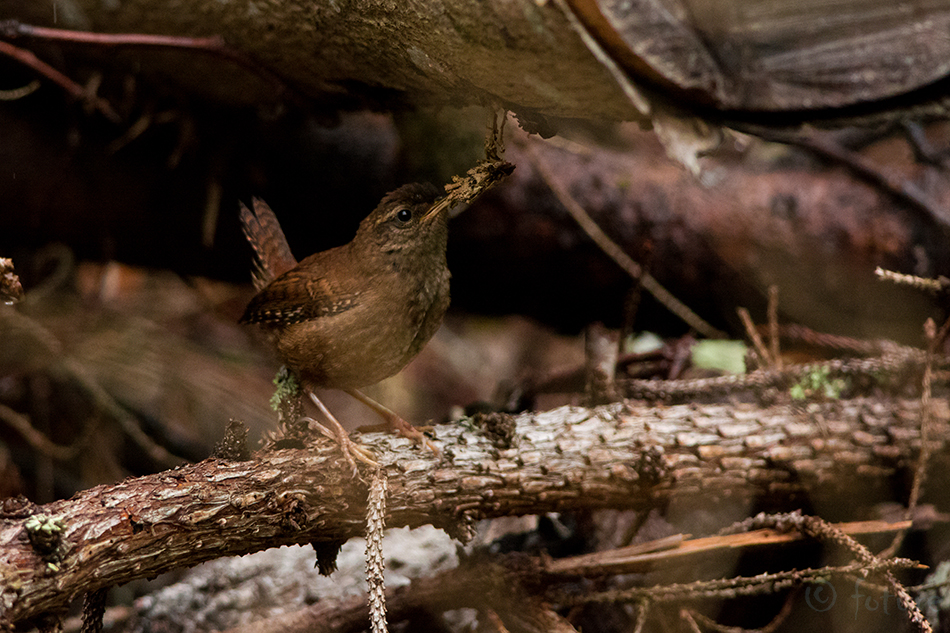
Käblikut on keeruline pildistada, sest ta ei soovi, et teda pildistatakse (e siis liigub peamiselt kusagil risu sees) ning ta on paganama väle. Käblikut on eriti keeruline pildistada pimedates valgusoludes ja vihmas. Tänu tänapäevase fototehnika võimalustele on ka viimane siiski võimalik, kuigi see on paras õppetund ka teatava kogemustepagasiga linnupiltnikule. Harjumaa.
Northern Wren is a difficult subject to photograph as it does not want to be photographed (moving around mostly in the thicket) and is extremely agile. Wren is a particularly difficult subject to photograph in dark lighting conditions and rain. Thanks to the capabilities of modern photographic equipment the latter is nevertheless possible, however, it is quite a lesson even for a bird photographer with some field experience. Harjumaa, Estonia.

21. september 2016

Lõunakäblik, Troglodytes aedon musculus

Lõunakäblik, Troglodytes aedon musculus, Southern House Wren, käblik
Aedkäblik on väga levinud lind tervel Ameerika kontinendil, Costa Ricas elutseb alamliik lõunakäblik. Lind on väga sarnane Euroopa käblikuga, kuid on inimeste suhtes palju leplikum. Kuigi teda peaks justkui kohtama praktiliselt igal sammul ja igas ökosüsteemis, jäi aedkäblik meie kolmenädalase reisi jooksul kaamera ette vaid korra - Sarapiqui oru vihmametsa kõige alumistes, pimedates kihtides.
House wren is a very common species through the enitre American continent, in Costa Rica the subspecies Southern House Wren is found. It is very similar to our own (European) northern wren but is much more used to living near humans. Although it seems like you should see this bird with every step in every habitat, souther house wren found its way in front of my camera only once during our 3-week trip - in the lowest and darkest levels of the rainforest of Sarapiqui valley.