Kuvatakse päringule Caño Negro vastavad postitused asjakohasuse alusel. Sortimine kuupäeva alusel Vaadake kõiki postitusi

30. november 2016

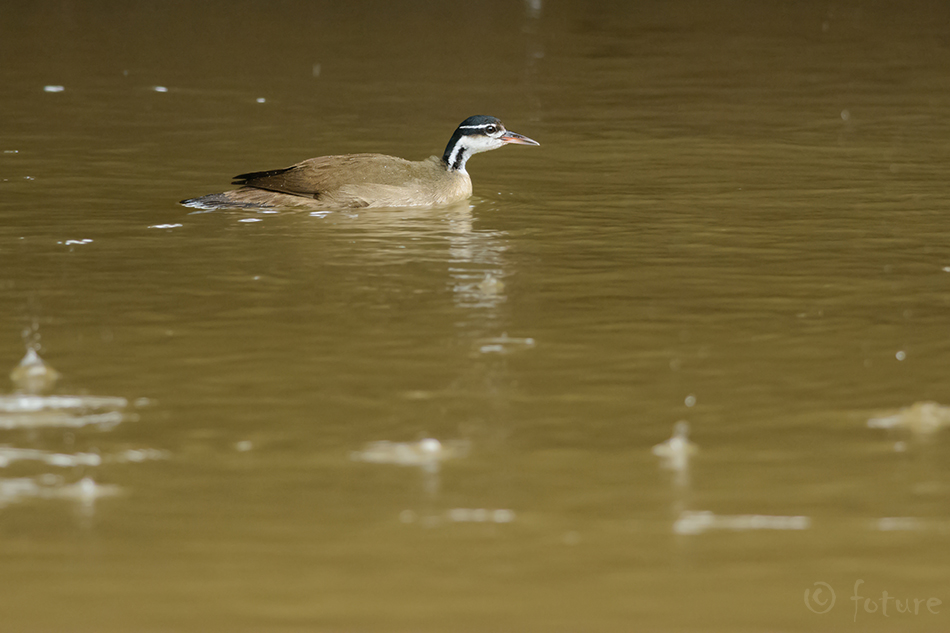
Ameerika redulind, Heliornis fulica

Ameerika redulind, Heliornis fulica, Sungrebe, Finfoot, grebe, MarsupialAmeerika redulind, Heliornis fulica, Sungrebe, Finfoot, grebe, Marsupial
Ameerika redulind on troopilise Ameerika veelind, kes on eluviisilt üpris arg. Elutseb ta soodes ja rabades, hoides ujudes võimalusel taimestiku varju. Redulinnu eripäraks on see, et isaslindudel on tiibade all taskud, milles ta transpordib oma poegi. Vajadusel nii ujudes kui ka lennates. Tegemist on unikaalse lahendusega, mida pole ühelgi teisel linnuliigil. Fotod tehtud vihmasel Frio jõel, Caño Negro märgalal, Costa Ricas.
Sungrebe or American finfoot is an aquatic bird of the tropical America that is quite shy by nature. Its habitats are usually swamps and marshes where it keeps itself in the protective cover of vegetation if possible. The unique feature of sungrebe is the fact that the male bird has pouches or pockets under the wings where it can carry chicks. During swimming or even flight. That is the feature that no other bird in the world has. The photos are taken on a rainy Frio river in Caño Negro Wildlife Refuge, Costa Rica.

10. aprill 2015

Nikaraagua leeträhn, Melanerpes hoffmannii

Nikaraagua leeträhni kohtab ainult kesk-Ameerika keskosas, Hondurase lõunaosast Costa Ricani. Nagu enamus rähnidest, toitub ka tema kõdunenud puudest saadavatest vakladest ja muudest putukatest, kuid mitte ainult. Söögiks lähevad ka puuviljad (erilised lemmikud on viigimarjad) ning õienektar. Elupaigana eelistab avamaastike, tihedaid metsasid väldib. Pildil on emaslind, Caño Negro looduskaitsealal, Costa Ricas.
You can meet Hoffmann's woodpecker only in central parts of Central America, from southern Honduras to Costa Rica. As most of the woodpeckers, it feeds on the larveae and insects extracted from decaying wood. But not only. This species is also keen on the fruits (especially figs) and flower nectar. As an habitat Hoffmann's woodpecker prefers open areas and avoids dense forests. The photo of this female bird is taken in Caño Negro Wildlife Refuge, Costa Rica.

25. jaanuar 2018

Lõuna-türanntikat, Tyrannus melancholicus

Lõuna-türanntikat ühe karjamaa serval oma saaki ootamas, Caño Negro märgalal, Costa Ricas.
Tropical Kingbird waiting for the prey on the edge of the pasture in Caño Negro Wetland, Costa Rica.

13. november 2016

Veisehaigur, Bubulcus ibis

Veisehaigur, Bubulcus ibis, Cattle Egret, Buff-backed Heron, Egretta, Ardeola, haigur
Nimi kohustab. Kui ikka oled veisehaigur, ega siis pole kohane veisest rohkem kui paari sammu kaugusel olla. Caño Negro märgala, Costa Rica
Name obliges. If you are called Cattle Egret then it is not appropriate to be more than couple of steps away from cattle. Caño Negro Wetland, Costa Rica

31. august 2016

Leekõlg-turpial, Agelaius phoeniceus, Red-winged Blackbird

Leekõlg-turpial, Agelaius phoeniceus grinnelli, Red-winged Blackbird
Kraaks!
Caw!
Leekõlg-turpial, Agelaius phoeniceus grinnelli, Red-winged Blackbird
Tegelikult ei kraaksu leekõlg-turpial teps mitte, tema laul (mida saad ülalt ka kuulata) meenutab pigem mõne algelise arvutiprogrammiga tehtud helisid. Leidub seda "robotlindu" peamiselt Põhja-Ameerikas (kuni Kanada tundrani välja), Caño Negro märgala Costa Ricas (kus on pildid tehtud) on sisuliselt levila lõunapiiriks. Tegemist on Põhja-Ameerika ühe kõige levinuma linnuga.
Actually the red-winged blackbird does not caw at all, its song (that you can listen above) is more similar to the sounds that a very basic computer program can create. You can find this "robot bird" from all across North America (up to the Canadian tundra) and the Caño Negro wetland in Costa Rica (where the photos are taken) is the southern boundary of the range. This blackbird is one of the most common birds in North America.

Laulu salvestaja/song recorded by: Andrew Spencer, xeno-canto.org

20. aprill 2015

Kuldlauk-lootoselind, Jacana spinosa

Kuldlauk-lootoselind, Jacana spinosa, Northern Jacana, jassaana, Middle American, jaçana
See lootoselind ei ole hüppamas või ümber kukkumas - tal on lihtsalt väga pikad jalad, mis jäävad rohu varju. Siin postituses on näha tema Aafrika sugulase hiidvarbaid, kuldlauk-lootoselinnul on täpselt samasugused. Caño Negro, Costa Rica
This northern jacana is not jumping or falling over - it just has extremely large feet that are hidden in the tall grass. In this post you can see the huge "toes" of its African relative, northern jacana has the toes just like that. Caño Negro, Costa Rica.

5. veebruar 2018

Vagunokk-ühiskägu, Crotophaga sulcirostris

Vagunokk-ühiskägu on naljakas nimi, kuid sellel nimel on tegelikult väga loogilised põhjused. Vagunokk on vagunokk seepärast, et... no vaadake pilti. Ühiskägu tuleneb aga sellest, et selle liigi emaslinnud munevad munad niinimetatud ühispessa (tavaliselt kuni 4 paari teevad sellist koostööd), kus siis ka korda mööda hautakse neid mune (sh isaslinnud) ning samuti käib noorlindude toitmine ja kaitsmine ühiselt. Tõeline kommuun! Foto tehtud Caño Negro märgalal, Costa Ricas.
Groove-billed Ani often uses communal nest: maximum 4 pairs work together to build nest, then the female of each pair lays eggs in the nest, and all adults help incubate the eggs. Later on the newborns are also fed and protected by all adults in group. A real commune life! The photo was taken in Caño Negro Wetland, Costa Rica.

17. detsember 2017

Väike-kuningkalur, Chloroceryle americana septentrionalis

Väike-kuningkalur, Chloroceryle americana septentrionalis, Green Kingfisher
Väike-kuningkalur valvamas Frio jõe kõrge kalda varjus asuval oksal, Caño Negro märgalal, Costa Ricas.
Green Kingfisher keeping watch on a branch in the shade of a high river bank of Rio Frio in Caño Negro Wetland, Costa Rica.

13. mai 2018

Leekõlg-turpial, Agelaius phoeniceus grinnelli

Leekõlg-turpial, Agelaius phoeniceus grinnelli, Red-winged Blackbird
Liiga pikk saba! 
See leekõlg-turpial oleks peaaegu kaadrisse mahtunud Caño Negro märgalal, Costa Ricas.
Too long tail!
This Red-winged Blackbird almost fitted into frame in Caño Negro Wetland, Costa Rica.

29. veebruar 2016

Vagunokk-ühiskägu, Crotophaga sulcirostris

"Jah, palun siitkaudu..."
"Yes, this way please..."
Vagunokk-ühiskägu vahipostil Caño Negro märgala kaitsealal, Costa Ricas. 
Siinkohal kiidaksin ka sellele linnule eestikeelse nime andjaid. Väga paljudel Kesk-Ameerika lindudel on nimed panemata, aga kui mõnele on see juhuslikult pandud, siis on tavaliselt tegemist väärt kraamiga. Antud juhul tunnetan teatavaid kreisiraadio mõjutusi - ühiskägu! No tõepoolest.
Groove-billed Ani as a sentry in Caño Negro Wildlife Refuge, Costa Rica

14. detsember 2016

Kuldlauk-lootoselind, Jacana spinosa

Kuldlauk-lootoselind, Jacana spinosa, Northern Jacana, jassaana, Middle American, jaçana Kuldlauk-lootoselind, Jacana spinosa, Northern Jacana, jassaana, Middle American, jaçana Kuldlauk-lootoselind, Jacana spinosa, Northern Jacana, jassaana, Middle American, jaçana
Kuldlauk-lootoselind ehk kuldlauk-jassaana on niiske, troopilise Ameerika lind. Neile meeldivad eriliselt sood ja rabad, kuid ka muud mudased ja vesised paigad lähevad loosi. Elupaiga valiku tingib toidulaud, kuhu kuuluvad peamiselt veetaimedel konutavad putukad ning vesirooside õiepungad, kuid mitte ainult. Lisaks sobivad veel ka mudas ja vees elutsevad teod, ussid, krabid, molluskid ning kalad. Fotod tehtud Costa Ricas, Caño Negro märgala keskel asuval soisel heinamaal, mis niiskel hooajal muutub madalaveeliseks järveks.
Northern Jacana is a bird of tropical America. Their favorite habitats are swamps and marshes but other muddy and wet places will do as well. The habitat preference comes from a diet - jacana feeds mainly on the insects on the surface of vegetation and ovules of water lilies. They will also consume snails, worms, small crabs, fish and mollusks. The photos are taken in Costa Rica, in the middle of Caño Negro wetland, on a meadow that is a shallow lake in the wet season. 

15. juuli 2016

Prillkaiman, Caiman crocodilus

Prillkaiman, Caiman crocodilus fuscus, Spectacled caiman, kaiman, white, common, speckled, brown, krokodillkaiman, krokodill Prillkaiman, Caiman crocodilus fuscus, Spectacled caiman, kaiman, white, common, speckled, brown, krokodillkaiman, krokodill
Keegi varitseb jõekaldal, puude varjus (või siis lihtsalt on vihma eest peidus).
Someone is lurking in the shadow of the trees by the river (or just hiding from the rain).
Prillkaiman, Caiman crocodilus fuscus, Spectacled caiman, kaiman, white, common, speckled, brown, krokodillkaiman, krokodill
Prillkaiman on oma nime saanud sellest, et tal on väike luustunud kaareke kahe silma vahel, mis jätab mulje nagu oleks tal prillid peas. Neid, kuni 2 meetri pikkuseks kasvavad kaimanid, võib leida Mehhiko lõunaosast kuni Brasiilia keskosani. Võrreldes krokodillide ja alligaatoritega, on kaiman inimesele üsna ohutu. Põhitoiduks on tal kalad, molluskid, putukad ja veeteod ning vaid väga vana ja suur kaiman võib mõelda mõne väiksema imetaja murdmise peale. Fotod tehtud Frio jõe ääres, Caño Negro kaitsealal, Costa Ricas.
Spectacled caiman got its name from the bony ridge between the eyes, which gives the appearance of a pair of spectacles. These caimans, that can grow up to 2 metres long, can be found from southern Mexico to central Brazil. Comparing it with alligators and crocodiles, caiman is quite harmless for humans. The main diet consists of fish, insects, crustaceans, mollusks and water snails and only an old and large caiman might think of catching a small mammal. The photos are taken by the Frio river in Caño Negro Wildlife Refuge, Costa Rica.

6. veebruar 2017

Leekõlg-turpial, Agelaius phoeniceus grinnelli

Leekõlg-turpial, Agelaius phoeniceus grinnelli, Red-winged Blackbird
Leekõlg-turpiali erinevates paikades elutsevad alamliigid eristuvad oluliselt üksteisest nii suuruse kui proportsioonide osas. Kui teadlased tegid uuringu ning vahetasid koorunud tibusid asurkondade vahel, siis üllatusena selgus hiljem, et linnud kasvasid hoopis oma kasuvanemate sarnaseks. See näitas, et välised erinevused populatsioonide vahel tulenevad peamiselt keskkonnast, mitte geneetikast. Caño Negro märgala, Costa Rica.
Different populations and subspecies of Red-winged Blackbirds vary markedly in size and proportions. An experiment was conducted that moved nestlings between populations and found that the chicks grew up to resemble their foster parents. This study indicated that much of the difference seen between populations is the result of different environments rather than different genetic makeups. The photo is taken in  Caño Negro Wetland, Costa Rica.

7. november 2016

Kaelus-kuningkalur, Megaceryle torquata

Kaelus-kuningkalur, Megaceryle torquata, Ringed Kingfisher, Ceryle
Kaelus-kuningkalur on vägagi kogukas omasuguste seas (pikkust üle 40 cm) ning leidub teda Texase lõunaosast kuni Lõuna-Ameerika lõunatipuni. Sarnaselt meie jäälinnule (kes on peaaegu 3 korda väiksem) on tema jahipidamise meetodiks vee kohal olevalt oksalt kala järele sööstmine. See konkreetne isend ootas saaki Frio jõe kohale ulatunud oksal, Costa Rica põhjapiiril, Caño Negro kaitsealal.
Ringed Kingfisher is rather bulky compared to other kingfishers (length over 40cm) and it is found from Southern Texas to the southern tip of South America. Similarly to European kingfisher (that is almost 3 times smaller), the method of catching food is perching high over the water and plummeting from there after the fish. This bird was waiting for the prey on a branch by the Frio river, on the northern border of Costa Rica in Caño Negro Wildlife Refuge.

28. mai 2018

Suur-tiigerhüüp, Tigrisoma mexicanum

Suur-tiigerhüüp Costa Ricas, Caño Negro märgalal tuima näoga vihma ignoreerimas. 
Bare-throated Tiger-heron ignoring the rain in Caño Negro wetland, Costa Rica.

26. oktoober 2016

Krabi-ööhaigur, Nycticorax violaceus

Krabi-ööhaigur, Nyctanassa violacea, Yellow-crowned Night-heron, Nyctanassa violacea, haigur Keegi piilub.
Someone is peeking.
Krabi-ööhaigur, Nyctanassa violacea, Yellow-crowned Night-heron, Nyctanassa violacea, haigur
Varbad väljas.
Krabi-ööhaigur jalga puhkamas pärast tugevat vihmasadu, Frio jõe kaldal, Caño Negro kaitsealal, Costa Ricas. Ööhaigur on ta seetõttu, et jahti krabilistele, vähilistele, putukatele ja kaladele peab ta meelsasti öösiti (kuigi võib seda teha ka päeval). 
The toes are out.
Yellow-crowned Night-heron resting on the bank of Frio river in Caño Negro Wildlife Refuge, Costa Rica after heavy rain. It is called night-heron because it prefers to hunt for crustaceans, insects, fish and worms at night (although it does hunt also during the day).


13. märts 2017

Suur-masktikat, Pitangus sulphuratus guatimalensis

Suur-masktikat, Pitangus sulphuratus, Great Kiskadee, Flycatcher, Tyrannus, tikat, guatimalensis
Suur-masktikat on kogukas kärbsenäpp, kes rahulikult oksal istudes sarnaneb teistele Ameerika kontinendi kärbsenäppidele.
Great Kiskadee is a bulky flycatcher that is similar to other flycatcher species in American continent when sitting peacefully on a branch.
Suur-masktikat, Pitangus sulphuratus, Great Kiskadee, Flycatcher, Tyrannus, tikat, guatimalensis Suur-masktikat, Pitangus sulphuratus, Great Kiskadee, Flycatcher, Tyrannus, tikat, guatimalensis
Kui aga vaja, siis muutub välimus palju-palju uhkemaks. Kollane kroon aetakse püsti ning ka poosid muutuvad jõulisemaks. Caño Negro märgala, Costa Rica.
But when it's necessary, the bird can be much vainer. Then the yellow crest will be erected and the poses are also more royal. Caño Negro Wetland, Costa Rica.

21. aprill 2016

Volatinia jacarina splendens, Blue-black Grassquit

Volatinia jacarina splendens, Blue-black Grassquit, tangara
Roheliste kiirte vahel.
Eestikeelse nimeta varblasesuurust lindu, kes kuulub tangarade perekonda, leidub Mehhikost kuni Argentiina keskosani. Toitub ta seemnetest ja üheks tema eripäraks on see, et isaslind (pildil) ei püsi laulmise ajal paigal, vaid hüppab pidevalt tiibu lehvitades üles-alla. Tol lämmataval kuumal päeval Caño Negro märgala kaitsealal, Costa Ricas, oli aga see isend küll üsna vagur ja rahulik.
Between the green rays.
Blue-black Grassquit is found from Mexico to central Argentina. It feeds mainly on seeds and one of the peculiarities of the bird is the singing display of the male (on the photo). He does not stay still but hurtles his entire body into the air with each song. This guy, though, was quite calm on this extremely hot and humid day in Caño Negro Wildlife Refuge, Costa Rica.

9. detsember 2016

Punaselg-sirk, Ramphocelus passerinii

Punaselg-sirk, Ramphocelus passerinii, Passerini's Tanager, tangara
Eestvaade...
Front view...
Punaselg-sirk, Ramphocelus passerinii, Passerini's Tanager, tangara
...ja tagantvaade. 
Punast selga pole nagu kusagil, kuigi linnu nimi sellele viitab. Kas keegi kusagil eksis nimepanemisega? Siiski mitte. Pildil on emaslind, hoopis teistes toonides isaslindu näeb siin. Caño Negro märgala, Costa Rica.
...and the back view. 
The name of the bird is Scarlet-rumped Tanager but there is nothing scarlet about it. Somebody made a mistake naming the bird? Actually no. On the photo there is a female bird, you can see quite differently coloured male bird here. Caño Negro wetland, Costa Rica.

23. detsember 2019

Suur-tiigerhüüp, Tigrisoma mexicanum

Kauneid Jõule kõigile!
Temaatiline pilt (kui aknast välja vaadata) suur-tiigerhüübiga on tehtud Caño Negro märgalal, Costa Ricas.
Merry Christmas to everyone!
Appropriate Christmas theme photo (if to look at the 6 degrees Celsius + rainy weather in Estonia at the moment) with Bare-throated Tiger-heron was taken in Caño Negro wetland, Costa Rica.