27. september 2019

Austraalia suula, Morus serrator, Takapu

Austraalia suula liuglemas Muriwai regionaalse kaitseala kaljude juures, Uus-Meremaal. 
Australasian Gannet gliding by the cliffs of Muriwai Regional Park in New Zealand.

24. september 2019

Lambahänilane, Motacilla flava flava

Lambahänilane, Motacilla flava flava, Blue-headed Wagtail, Yellow, hänilane
Hänilane Pärnumaa rannaniidul. 
Blue-headed Yellow Wagtail on a coastal meadow in Pärnumaa, Estonia.

19. september 2019

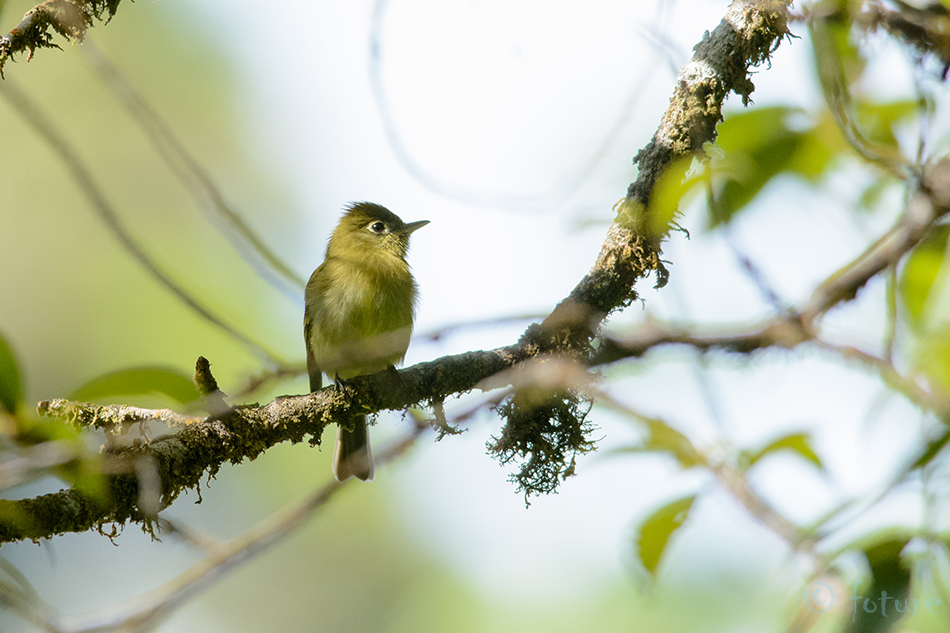
Keskameerika Salutikat, Empidonax flavescens


Keskameerika Salutikat, Empidonax flavescens, Yellowish Flycatcher, tikat, Interior, Ponderosa
Keskameerika salutikat Curi-Cancha kaitsealal Monteverde pilvemetsas, Costa Ricas. See liik on üks mõnekümnest liigist, keda on Monteverde mäestikus nähtud jälitamas leegionärsipelgaid, et siis kätte saada või kinni püüda neid putukaid, kelle sipelgad oma peidupaigast välja ajavad.
Yellowish Flycatcher in Curi-Cancha Reserve in Monteverde Cloud Forest, Costa Rica. This is one of the ca 60 species of birds who were observed capturing, or trying to capture, prey flushed by the advancing army ants.

16. september 2019

Tumetilder, Tringa erythropus

Tumetilder, Tringa erythropus, Spotted Redshank, Dusky, tilder
Tumetildrid varahommikuses lahesopis Läänemaal.
Spotted redshank in a calm bay in an early morning in Läänemaa, Estonia.

12. september 2019

Hallhani, Anser anser

Hallhani, Anser anser, Feral Goose, Grey, Greylag, hani, Kuihi
Uus-Meremaal kutsutakse hallhanesid metshanedeks, sest kõigi nende esivanemate hulgas on vähemalt üks lind, kes on kellegi õue pealt plehku pannud ja otsustanud hakata iseseisvaks (ehk metsistunud). Loodusliku migratsiooni (nt Aasiast) sinna saartele toimunud pole. Samas täna on metshaned siiski metsikud linnud, kes saavad ilma inimeseta kenasti hakkama. See ei välista muidugi seda, et parvedega liitub värskeid tulijaid taluhoovidelt. Foto on tehtud Hamurana allikate kaitsealal, Uus-Meremaal.
Greylag geese are known in New Zealand as Feral Geese as at least one of the ancestors of each bird was a domesticated goose. There has been no natural immigration (for example from Asia) to these islands. But today these geese are wild birds that can survive quite well without human interference which of course does not rule out the possibility that there are some fresh newcomers to the flocks from the farmyards. The photo was taken in Hamurana Springs Reserve, Aotearoa, New Zealand.

9. september 2019

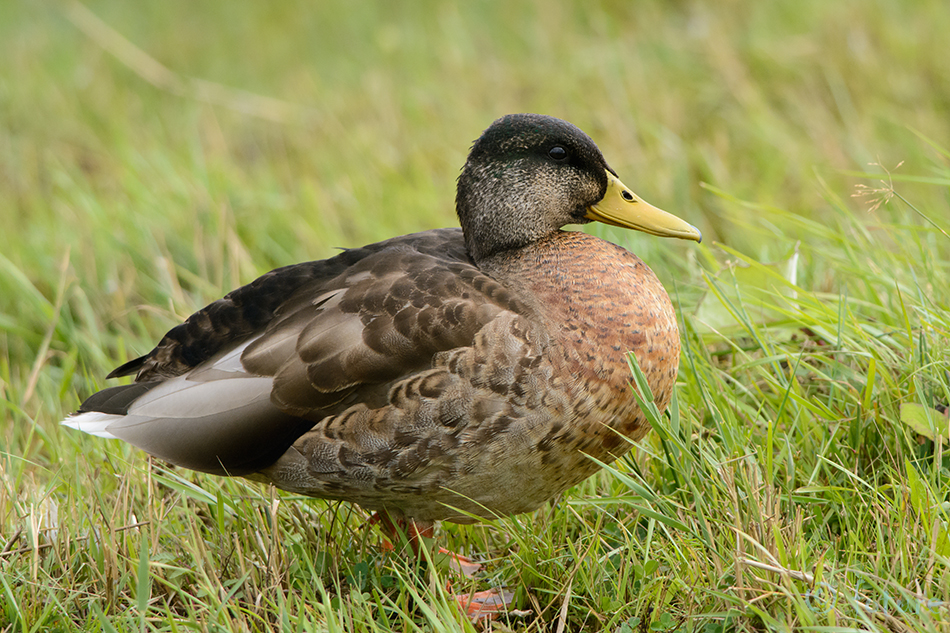
Sinikael-part, Anas platyrhynchos

Sinikael-part, Anas platyrhynchos, Mallard, Greenhead, duck
Sinikael-part üleminekusulestikus Pärnumaa rannaniidul.
Mallard in a transitional plumage in Pärnumaa, Estonia.

4. september 2019

Kääbuspingviin, Eudyptula minor

Kääbuspingviin on maailma väikseim pingviin ning leidub neid ligi 35 sentimeetri pikkuseid tiivulisi Austraalias ja Uus-Meremaal. Enamuse päevast veedavad nad merel, kuid pärast päikese loojumist tullakse ikkagi maismaale puhkama. Vastupidiselt kaks korda suuremale erakpingviinile, ei tee need juntsud inimesest üldse välja ning kui kahejalgne liiga närvidele hakkab käima, tullakse seda ka häälekalt ütlema. Maoori keeles on linnu nimi kororā ning foto sai tehtud Otago poolsaarel, Uus-Meremaa Lõunasaarel.
Blue penguin (as it's known in New Zealand) or little penguin is the world's smallest penguin and you can find these 35 cm avians in Australia and New Zealand. They spend most of the day at sea but after the sunset the penguins will come to land to rest. On the contrary to at least twice as big yellow-eyed penguins, these tiny birds do not care about the presence of humans and if the two-footed giants start getting on their nerves, they are not afraid to show it. In maori blue penguin is called kororā and this photo was taken on Otago peninsula, New Zealand South Island.

30. august 2019

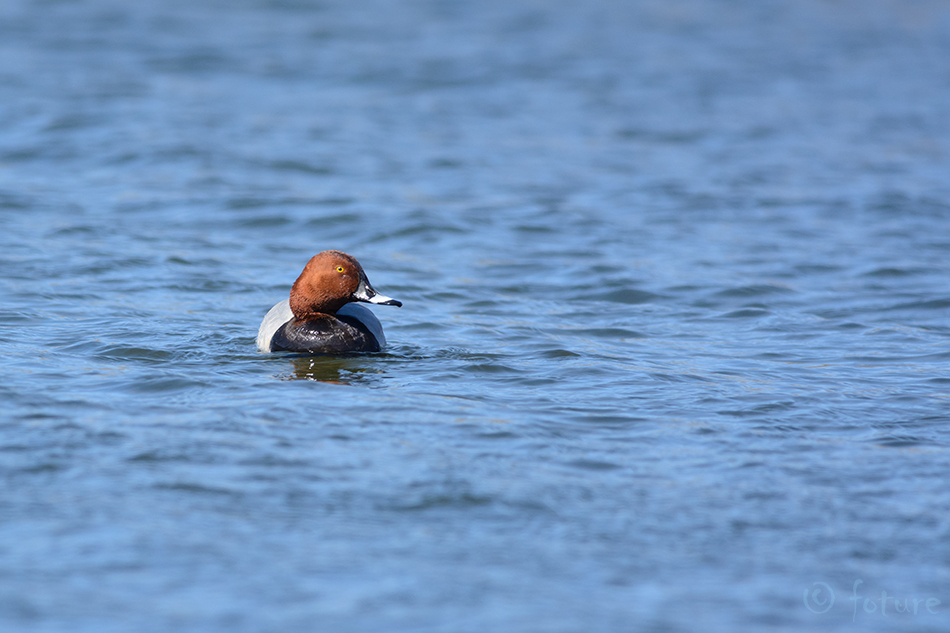
Punapea-vart, Aythya ferina

Punapea-vart, Aythya ferina, Common Pochard, European, Eurasian, Northern, part
Punapea-vart on lind, keda Eestis kohtab suurima tõenäosusega kevadeti ja sügiseti rände ajal, sest meil pesitsejaid on pigem vähe. Foto tehtud Harjumaal.
Most probable periods for seeing Common Pochard in Estonia are spring and autumn (during the migration) as only a few nest here. The photo was taken in Harjumaa, Estonia.

27. august 2019

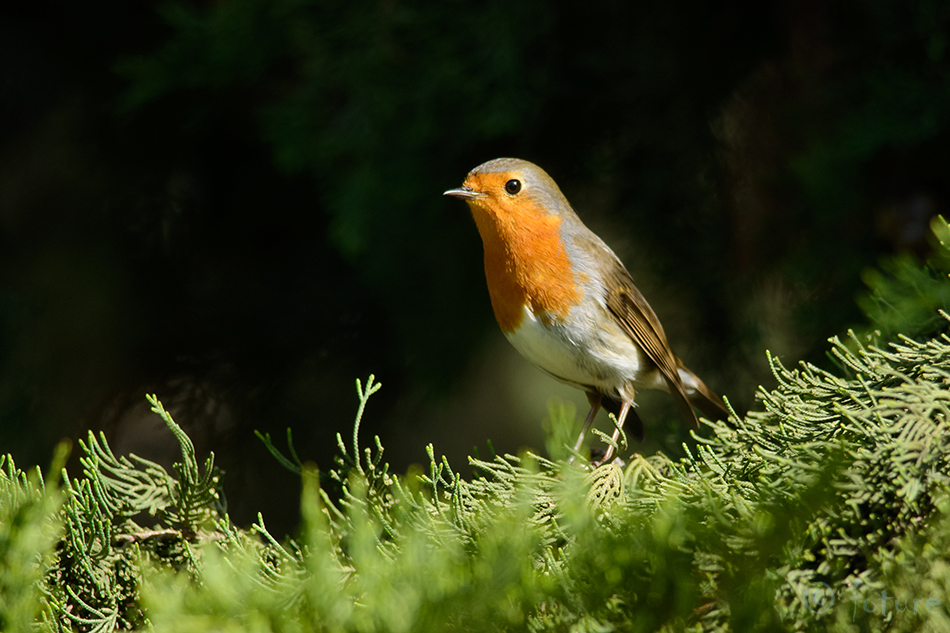
Punarind, Erithacus rubecula

Punarind, Erithacus rubecula, European Robin, Redbreast
Punarind Valencia piirkonnas, Hispaanias.
European Robin in Valencian community, Spain.

23. august 2019

Mudatilder, Tringa glareola

Mudatilder, Tringa glareola, Wood Sandpiper, tilder, kurvits
Mudatilder Pärnumaa üleujutatud rannaniidul.
Wood Sandpiper on a flooded coastal meadow of Pärnumaa, Estonia.

15. august 2019

Liivatüll, Charadrius hiaticula

Liivatüll, Charadrius hiaticula, Common Ringed Plover, Great, Greater, tüll
Noor liivatüll tatsamas suvisel Kuramaa rannal.
Juvenile common ringed plover wading on a beach in Kurzeme region, Latvia.

11. august 2019

Kõrkja-roolind, Acrocephalus schoenobaenus

Kõrkja-roolind, Acrocephalus schoenobaenus, Sedge Warbler, European, Titiza
Kõrgeima kõrre tipus. Kõrkja-roolind Tartumaal.
On the top of the highest straw. Sedge warbler in Tartumaa, Estonia.

7. august 2019

Nephila clavipes, Golden Orb-web Spider

Kuldne keravõrgu ämblik suudab teha kuni meetrise läbimõõduga võrkusid ja kui neid võrkusid on täis terve metsaalune, siis see paistab päris kõhe välja. Täpselt selline vaatepilt aga mulle ühel varahommikul Costa Ricas, päris Kariibi mere kaldaäärses metsas avanes - mõned pildid tegin ära, kuid metsa sisse ei hakanud seekord minema.
Golden Orb-web Spider is able to make webs with almost 1 metre across and if the whole forest is filled with these then the sight is quite spooky. But exactly this was what I saw in an early morning in Costa Rica, on a small forest right by the Caribbean Sea - I decided not to enter the forest this time.

29. juuli 2019

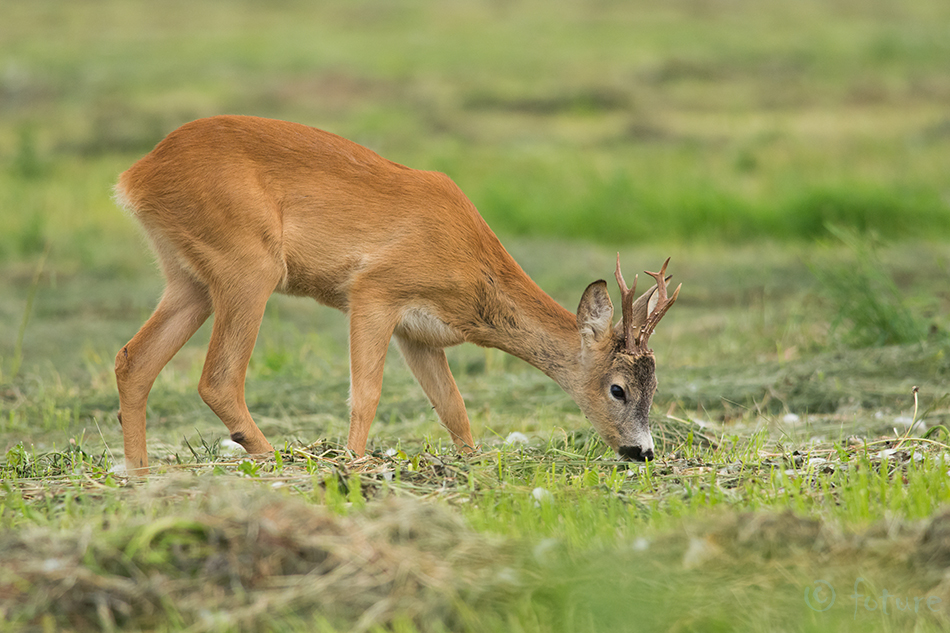
Metskits, Capreolus capreolus

Metskits, Capreolus capreolus, Roe deer, kits
Sokupoiss Pärnumaal.
Young roe deer buck in Pärnumaa, Estonia.

26. juuli 2019

Ameerika tundratüll, Charadrius semipalmatus

Ameerika tundratüll Kariibi mere rannikul, Costa Ricas.
Semipalmated Plover by the Caribbean coast in Costa Rica.

24. juuli 2019

Rebane, Vulpes Vulpes

Loodusfotograafi üks olulisi printsiipe on mitte sekkuda, olla lihtsalt jälgija. Ja siis satud peale sellisele olukorrale.
One of the important principles of nature photographer is not to intrude, be only an observer. And then you stumble on this situation.
Rebane oli vihmasel koduheinamaal ja kass oli oma kodust ilmselt päris kaugel. Võis arvata, mis saama hakkab.
The fox was on its rainy home meadow and the cat was probably quite far from his. You could guess pretty well what's going to happen.
Asi läks teravaks, seega kas nüüd endast teada anda või siis mitte? 
And then it got tense  - so should I cry out or not?
Jäin siiski vaatlejaks ning õigesti tegin - natuke mürati ja siis passiti niisama. Lõpuks lahkus rebane ühele poole ja kass lonkis tagasi tsivilisatsiooni suunas - mõlemad täiesti tervena. Koomiks sai üles võetud Pärnumaal
I decided to remain a spectator and this was a right call - they played a little and then just hung out. Finally the fox left to one direction and the cat strolled towards the civilization - both unharmed.
The series was captured in Pärnumaa, Estonia.

22. juuli 2019

Käändnokk-tüll, Anarhynchus frontalis

Käändnokk-tüll, Anarhynchus frontalis, Ngutuparore, Wrybill, Wry-billed Plover, bill, Charadrius
Käändnokk-tüll (maoori keeles ngutuparore) on Uus-Meremaa endeemne liik ning ainuke linnuliik maailmas, kelle nokk on kõver horisontaalsel teljel ning alati ühes suunas. See paistab välja küll ainult otse eest tehtud piltidelt, kuid käändnokk-tülli nokk on alati kaardus paremale poole. Fotod tehtud mõõna ajal Thamesi lahe ääres, Uus-Meremaa Põhjasaarel.
The wrybill (or ngutuparore in Māori) is an endemic species of New Zealand and the only species of bird in the world with a beak that is bent sideways always one way. You can only see it from the photos that are taken from the front but the bill is bent always to the right. The photos were taken during the low tide by the Firth of Thames in New Zealand North Island.

12. juuli 2019

Tumetilder, Tringa erythropus

Tumetilder, Tringa erythropus, Spotted Redshank, Dusky, tilder
Tumetilder Läänemaa roostikus.
Spotted redshank by the coast of Läänemaa, Estonia.

10. juuli 2019

Austraalia suitsupääsuke, Hirundo neoxena

Austraalia suitsupääsukest kutsutakse inglise keeles tere-tulemast-pääsukeseks, sest Lõuna-Austraalias on tegemist kevadekuulutajatega. Uus-Meremaale jõudis pääsuke aga täiesti enda initsiatiivil ning on seal end kenasti sisse seadnud. Vaid riigi kõige metsikumas piirkonnas (Fiordlandis, Lõunasaare edelanurgas) on neid väga vähe või pole üldse. Foto tehtud Takiroa lubjakivi kaljudel, Uus-Meremaa Lõunasaare keskosas.
This bird is called Welcome Swallow as they are heralds of spring in Southern Australia. To New Zealand the swallow welcomed itself and does quite well there. The birds are found all over the country, except in the wildest parts of the South Island (Fiordland). The photo was taken by the limestone cliffs in Takiroa, in central South Island of New Zealand.

5. juuli 2019

Kanepilind, Carduelis cannabina

Kanepilind, Linaria cannabina, Common Linnet, Common Linnet, Carduelis, Acanthis, Eurasian
Kanepilind Pärnumaal.
Linnet in Pärnumaa, Estonia.