30. aprill 2016

Sinikael-part, Anas platyrhynchos

Sinikael-part, Anas platyrhynchos, Mallard, Greenhead, duck
Iga algaja linnupiltniku esimese taseme õppevahend - sinikael-part. Üleval isane, all emane lind. Harjumaa.
Basic learning tool of the beginner nature photographer - Mallard or Greenhead. Above is a male bird and below is the female. Harjumaa, Estonia.

29. aprill 2016

Pruunnäär, Psilorhinus morio

"Nii, poos on paigas, taust on paigas, suled sirged... Jah, võib pildistada."
"Alright, the pose is set, the background is perfect, the feathers are straight... Yes, you can take the photos now."
"Kuhu sa ronid, metsaline?? See on minu fotosessioon!" 
Pruunnäärid Curi-Cancha kaitseala Monteverdes, Costa Ricas. Kollane silmarõngas viitab muide sellele, et tegemist on noorlinnuga.
"What do YOU want? This is my photo session!"
Brown Jays in Curi-Cancha Reserve, Monteverde, Costa Rica. The yellow eye-ring indicates that it's a juvenile bird.

28. aprill 2016

Kuldhänilane, Motacilla citreola

Kuldhänilane, Motacilla citreola, Citrine Wagtail, Yellow-headed, hooded, Northern, hänilane
Igakevadine kontrollkäik kuldhänilase valdustesse andis ka sel aastal tulemuse. Sellele Eestis pigem haruldasele liigile tundub see Pärnumaa rannaniit väga meeldivat.
The regular spring visit to find Citrine Wagtail did not leave me dissapointed also this year. This rather rare species in Estonia must really like that coastal meadow in Pärnumaa.

27. aprill 2016

Välu-kärbsenäpp, Muscicapa adusta

Välu-kärbsenäpp püüab oma saaki nagu ka Euroopa kärbsenäpid - istub oksal, sööstab sealt õhku, püüab akrobaatilisi trikke tehes mõned putukad ning naaseb samale oksale. Erinevus on vaid selles, et lind kasutab mõnikord "okstena" ka antiloopide selgasid. uMkhuze kaitseala, LAV.
African Dusky Flycatcher catches its prey similar to the flycatchers in Europe - it sits on a perch, then sprints into the air, using acrobatical moves catches some insects and then returns to the same branch. The only difference is that sometimes the suitable perches are also bushbuck and other antelopes. uMkhuze Game Reserve, Mkuze, South Africa.

26. aprill 2016

Metsvint, Fringilla coelebs

Metsvint, Fringilla coelebs, Common Chaffinch, vint, finch
Praegune metsade esilaulik - metsvint. Pärnumaa.
The current lead singer of our forests - chaffinch. Pärnumaa, Estonia.

25. aprill 2016

Nyala, Nyala angasii

Nyala on antiloop, keda võib kohata vaid Aafrika lõunaosas. Suurim asurkond on Lõuna-Aafrika Vabariigi Kwazulu-Natali provintsis, kus (uMkhuze looduskaitsealal) on ka see foto tehtud. 
Nyala is an antelope that can be found only in southern parts of African continent. The biggest population is in Kwazulu-Natal province, South Africa where this photo is also taken (in uMkhuze Game Reserve).

24. aprill 2016

Sarvikpütt, Podiceps auritus

Sarvikpütt, Podiceps auritus, Horned Grebe, Slavonian, pütt
Virvalainetes.
Selle nädala piltide hulka mahub veel ka kõige efektsema välimusega Eesti pütiline - sarvikpütt. Tegemist on tõeliselt hea ujujaga - ta võib vee all olla kuni 2 minutit ja selle aja jooksul suudab lind läbida kuni 200 meetrit. Seega kui sarvikpütt sind nähes sukeldub, siis võib juhtuda, et ta ilmub pinnale kaugel sinu vaateväljast. Foto tehtud Harjumaal. 
In flickering waves.
Third grebe this week - striking-looking Horned Grebe or Slavonian Grebe. This bird is a marvellous swimmer - it can remain under water for 2 minutes and in that time it can swim up to 200 metres. Therefore if the horned grebe sees you and dives, it might not resurface in you line of sight anymore. The photo is taken in Harjumaa, Estonia.

23. aprill 2016

Hallturako, Corythaixoides concolor

Peaaegu värvivaba pilt - hallturako hilishommikuses valguses, kuiva akaatsiapõõsa tipus. Krugeri rahvuspark, LAV.
Almost colorless photo - Grey Go-away-bird in late morning light on top of the dry thorn tree. Kruger National Park, South Africa.

22. aprill 2016

Hallpõsk-pütt, Podiceps grisegena

Hallpõsk-pütt, Podiceps grisegena, Red-necked Grebe, Grey-cheeked Grebe
Tuttpütist mõnevõrra väiksem hallpõsk-pütt on Eestis kaitse all. Hetkel käivad lindudel pulmamängud, mistõttu mitmelpool veekogudel on kuulda nende üsna valjut kriiskamist. Pärnumaa.
Red-necked Grebe is a bit smaller than Great Crested Grebe and it is a protected species in Estonia. At the moment you can often hear these birds shrieking on the lakes as it is a mating season. Pärnumaa, Estonia.

21. aprill 2016

Volatinia jacarina splendens, Blue-black Grassquit

Volatinia jacarina splendens, Blue-black Grassquit, tangara
Roheliste kiirte vahel.
Eestikeelse nimeta varblasesuurust lindu, kes kuulub tangarade perekonda, leidub Mehhikost kuni Argentiina keskosani. Toitub ta seemnetest ja üheks tema eripäraks on see, et isaslind (pildil) ei püsi laulmise ajal paigal, vaid hüppab pidevalt tiibu lehvitades üles-alla. Tol lämmataval kuumal päeval Caño Negro märgala kaitsealal, Costa Ricas, oli aga see isend küll üsna vagur ja rahulik.
Between the green rays.
Blue-black Grassquit is found from Mexico to central Argentina. It feeds mainly on seeds and one of the peculiarities of the bird is the singing display of the male (on the photo). He does not stay still but hurtles his entire body into the air with each song. This guy, though, was quite calm on this extremely hot and humid day in Caño Negro Wildlife Refuge, Costa Rica.

20. aprill 2016

Tuttpütt, Podiceps cristatus

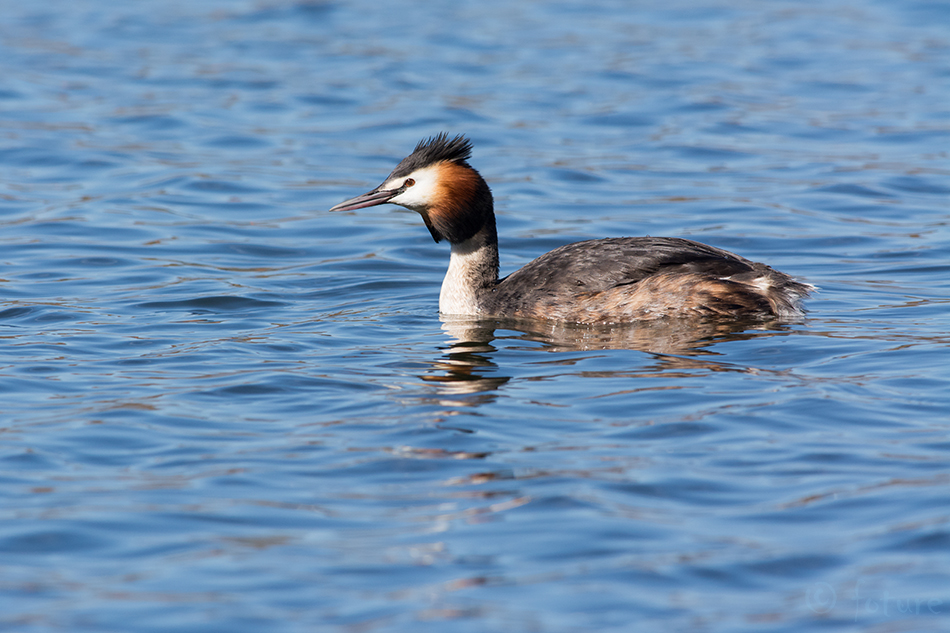
Tuttpütt, Podiceps cristatus, Great Crested Grebe, pütt
Eesti suurim pütt - tuttpütt. Tegemist on tõelise veelinnuga, kelle suutlikkus maapinnal kõndida on üsna piiratud, kuna jalad asetsevad keha tagaosas (mis teeb tast jällegi väga hea ujuja). Ohu korral lind pigem sukeldub (mitte ei lenda ära) ning ta võib vee alla jääda mitmekümneks sekundiks ja ujuda selle aja jooksul kümneid meetreid. Fotod tehtud Harjumaal.
The biggest grebe in Estonia - Great Crested Grebe. It is a true waterbird whose ability to walk on the solid ground is quite limited as the legs are at the far end of the body (that on the other hand makes it an excellent swimmer). In case of danger this grebe rather dives than flies away and the bird can remain under water for tens of seconds and can swim tens of meters during that time. The photos are taken in Harjumaa, Estonia.

19. aprill 2016

Rohemust noolemürgikonn, Dendrobates auratus

Rohemust noolemürgikonn on üks paljudest Kesk-Ameerika mürgikonnadest, kuid pole neist siiski kõige mürgisem. Samas on mürgihulk piisav selleks, et inimesel süda seisma panna. Mürki väljutab ta aga ainult juhul, kui tunneb end ohustatuna, seega tema läheduses tasub rahulikuks jääda :) 
Noolemürgi konnade nägemine metsikus looduses polegi tegelikult väga lihtne. Kõige parem variant on varahommikul ja pärast vihma ning just sellised tingimused valitsesid pilditegemise hetkel Carara Rahvuspargis, Costa Ricas. Kuuma ja kuivaga poevad konnad lehepuru sisse või siis ripuvad kusagil lehtede alumistel pooltel. Muide pikkust on sel konnal napilt alla 2 cm, mistõttu tema pildistamine džungli pimeduselähedases hämaruses oli parajalt keeruline ülesanne. 
Green and black poison dart frog is one of the many poison arrow frogs in Central America but it's not the most poisonous. Despite that, it is still a highly toxic animal and possesses enough poison to make a human heart stop beating. Luckily the frog will only release its poison if it feels threatened, so I guess it's wise to remain calm near this guy :)
Seeing poison dart frogs in the wild is not actually very easy. The best option is early morning and after the rain and luckily these were the conditions in Carara National Park, Costa Rica. When it is hot and dry, the frogs hide in the soil of the forest or hang under the leaves of the bushes. By the way, this frog is less than 2 cm long therefore getting a photo in the darkness of the undergrowth of the jungle was quite challenging.

18. aprill 2016

Punapea-vart, Aythya ferina

Punapea-vart, Aythya ferina, Common Pochard, European, Eurasian, Northern, part
Isane ja...
Male and...
Punapea-vart, Aythya ferina, Common Pochard, European, Eurasian, Northern, part
...emane punapea-vart. Tegemist on taaskord linnuga, keda kõige sagedamini kohtab just rändeperioodil, sest Eestis on nende pesitsemisarvukus pigem väike. Fotod tehtud Harjumaal.
... female pochard. The likelihood of seeing Common Pochard in Estonia is again best during the migration as the number of birds that breed here is quite low. The photos are taken in Harjumaa, Estonia.

17. aprill 2016

Hallpea-varblane, Passer diffusus

Hallpea-varblane kuival akaatsiaoksal Krugeri rahvuspargis, LAV-s.
Southern Grey-headed Sparrow on a dry acacia branch in Kruger National Park, South Africa.

16. aprill 2016

Rohukoskel, Mergus serrator


Alati sellise "sassis peaga" rohukosklat kohtab Eestis üsna harva. Suvisel ajal on suurem tõenäosus lindu kohata magedatel siseveekogudel, rännete ajal aga rannikul. Need fotod ongi selle aasta kevadrände ajast, Läänemaalt.
Red-breasted Merganser, whom you do not see  in Estonia very often, seems to always have a "bad hair day". During summer months it is more likely to encounter the merganser inland, near fresh water bodies and during the migrations on the coast. These photos are from this year's spring migration. Läänemaa, Estonia.

15. aprill 2016

Leetetüll, Charadrius marginatus arenaceus

Oma värvusega sulandub leetetüll praktiliselt ideaalselt liivasele maastikule. Teda võib leida Sahara-taguses Aafrikas ning nagu enamus kahlajatest, toitub lind vähilistest, ussikestest ja putukatest, keda parasjagu rannas leidub. Umhlanga laguuni kaitseala, LAV.
The color of the plumage lets White-fronted Plover blend in on sandy terrain quite easily . The bird is found in sub-Saharan Africa and as most of the waders, it feeds on the crustaceans, worms and insects that are found on the beach. Umhlanga Lagoon Nature Reserve, South Africa.

14. aprill 2016

Harakas, Pica pica fennorum

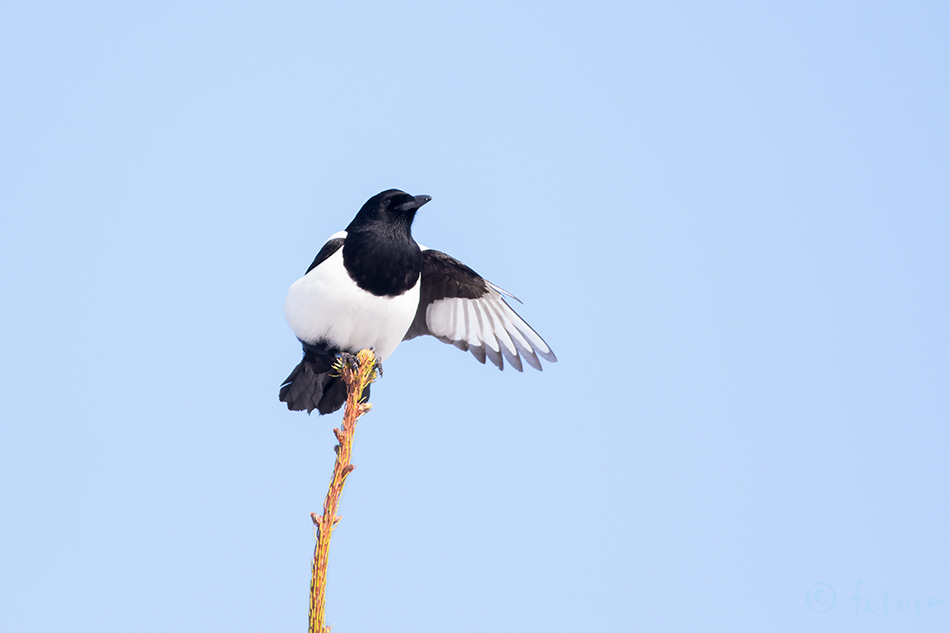
Harakas, Pica pica fennorum, Northern magpie, Eurasian, Common
Kui selles postituses halasin, et ma ei saa harakale ligi, siis vualaa!
In this post I was wailing that I am not able to get close to Eurasian Magpie but voila!
Harakas, Pica pica fennorum, Northern magpie, Eurasian, Common
Jõudsin ühega neist lõpuks kokkuleppele ning selle tulemuseks on siis nähtavad lähikaadrid. Harjumaa.
I managed to make a deal with one of them and here are the results. Harjumaa, Estonia.

13. aprill 2016

Tanufrankoliin, Dendroperdix sephaena

Kana tuleb tõtlikul sammul...
Chicken comes quite hastily...
...portreefotot tegema. Tanufrankoliin on üks mitmest Aafrika savannis elavast kanalaadsest linnust ning eristub ta teistest oma üsna tagasihoidliku välimusega. Kui osadel liikidel on peenemustriline sulestik, teistel uhked tutid ja kolmandatel lausa kiivrid peas, siis tanufrankoliin on üsna tavaline pruunikas-beežide sulgedega kana. Krugeri rahvuspark, LAV.
...to get a portrait photo of itself. Crested Francolin is one of many chicken-like species that are found in African savannah and is distinguished from the others by a modest look. When some species have finely patterned plumages, other ones fancy tufts and some have even helmets, then this francolin is just an inconspicuous brown-beige chicken. Kruger National Park, South Africa.

12. aprill 2016

Jääkoskel, Mergus merganser

Jääkoskel, Mergus merganser, Goosander, common, koskel
Emane jääkoskel ühe Läänemaa lahesopi hommikuses vaikuses. 
Female goosander in a calm morning silence of a small bay in Läänemaa, Estonia.

11. aprill 2016

Viirselg-maskrähn, Melanerpes pucherani


Viirselg-maskrähni võib kohata Mehhiko lõunaosast Ecuadori lääneosani. Selles mõttes on tegemist tavalise rähniga, et põhitoiduks on tal putukad, mida hangib peamiselt puukoore alt ja vahelt. Samas kasutab lind vahelduse mõttes ära ka troopika lopsaka looduse muid ande, mistõttu võib teda tihti näha ka puuviljade ja õienektariga maiustamas. Sarapiqui org, Costa Rica.
Black-cheeked Woodpecker is found from southern Mexico to western Ecuador. In most senses it is like your average European woodpecker - it feeds on insects, usually from under the tree bark. But in addition it takes advantage of the lush tropical environment it inhabits, therefore you can see this bird feasting also on fruits and nectar. Sarapiqui valley, Costa Rica.