Noor lõunakajakas Thamesi lahe ääres, Uus-Meremaa Põhjasaarel. See liik on üks kahest kohalikust (st mitte inimese poolt sissetoodud) linnuliigist, kes ei ole üheski aspektis kaitse all. Lõunakajakaid leidub igal pool ning enamasti peetakse neid kahjuriteks.
Juvenile Southern Black-backed Gull or Kelp Gull by the Firth of Thames in New Zealand North Island. This gull is one of only two native bird species not afforded any level of protection under the Wildlife Act. You can find these birds basically everywhere and mostly they are considered as pests.
Mitte just kõige paremad pildid, kuid selle eest harva nähtav lind. Vööruiga peamiseks elukohaks on mangroovisalud või muud merevee poolt üleujutatud võserikud, kus ta siis mõõna ajal käib toitu otsimas. Söögiks sobivad kõik väikeelajad, kes ette jäävad - putukad, krabid, ämblikud, teod ja ussikesed. Linnu levila katab kogu Australaasiat ning Vaikse ookeani edelaosa, kuid Uus-Meremaal (kus linnu maoorikeelne nimi on moho-pererū) on vööruik muutunud üsna haruldaseks, viimase mõnekümne aastaga on arvukus järsult kukkunud. Seetõttu olen väga rahul, et ta mulle Thamesi lahe ääres suvatses kaamera ette jääda.
Not the best photos but then again a bird which is rarely seen. The main habitats of the Banded Rail are mangroves and saltmarshes where it searches for food during low tide. All small creatures are prey for this bird - insects, crabs, spiders, snails and worms. This rail is found throughout much of Australasia and the south-west Pacific region but in New Zealand (where the maori name of the bird is moho-pererū) the population has dropped rapidly in the past decades.Therefore I'm quite happy that I was able to capture these two shots by the Firth of Thames.
Mask-luitsnokkiibis on üks nendest lindudest, kelle välimus pesitsusperioodil muutub. Lindudele tekivad pea tagaküljele suured puhvis suled (osad isendid näevad välja nagu Tina Turner oma parimatel päevadel) ning osadele näkku ka värvilised laigud. See iibis Otago poolsaarel, Uus-Meremaal, oli aga täiesti tavasulestikus.
Royal spoonbill is one of these birds whose looks change during breeding season. Long white plumes grow from the back of their heads (some birds look like Tina Turner in her best days) and coloured patches appear on the face. This spoonbill in Otago peninsula, New Zealand had a regular plumage though.
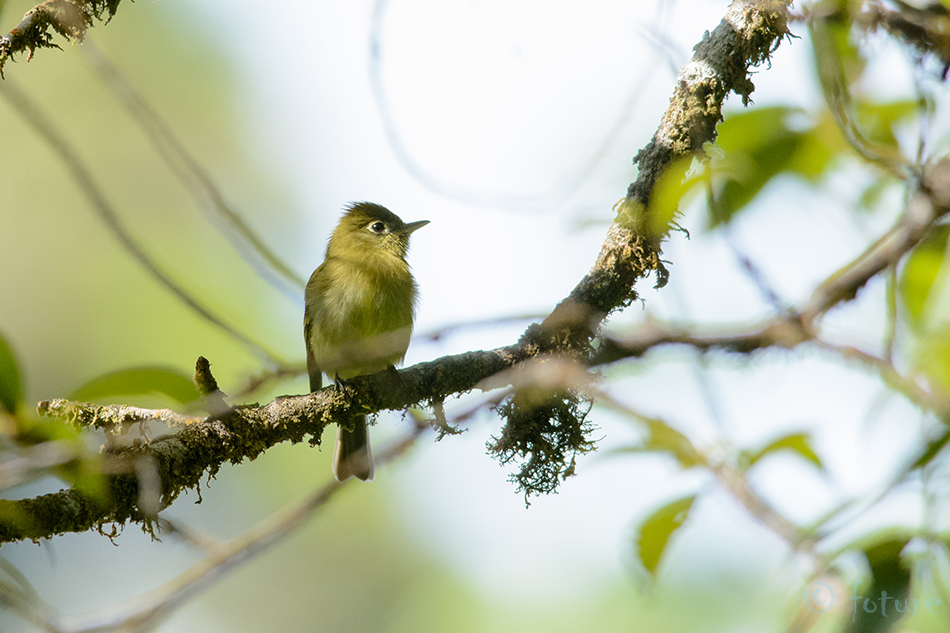
Keskameerika salutikat Curi-Cancha kaitsealal Monteverde pilvemetsas, Costa Ricas. See liik on üks mõnekümnest liigist, keda on Monteverde mäestikus nähtud jälitamas leegionärsipelgaid, et siis kätte saada või kinni püüda neid putukaid, kelle sipelgad oma peidupaigast välja ajavad.
Yellowish Flycatcher in Curi-Cancha Reserve in Monteverde Cloud Forest, Costa Rica. This is one of the ca 60 species of birds who were observed capturing, or trying to capture, prey flushed by the advancing army ants.
Uus-Meremaal kutsutakse hallhanesid metshanedeks, sest kõigi nende esivanemate hulgas on vähemalt üks lind, kes on kellegi õue pealt plehku pannud ja otsustanud hakata iseseisvaks (ehk metsistunud). Loodusliku migratsiooni (nt Aasiast) sinna saartele toimunud pole. Samas täna on metshaned siiski metsikud linnud, kes saavad ilma inimeseta kenasti hakkama. See ei välista muidugi seda, et parvedega liitub värskeid tulijaid taluhoovidelt. Foto on tehtud Hamurana allikate kaitsealal, Uus-Meremaal.
Greylag geese are known in New Zealand as Feral Geese as at least one of the ancestors of each bird was a domesticated goose. There has been no natural immigration (for example from Asia) to these islands. But today these geese are wild birds that can survive quite well without human interference which of course does not rule out the possibility that there are some fresh newcomers to the flocks from the farmyards. The photo was taken in Hamurana Springs Reserve, Aotearoa, New Zealand.
Kääbuspingviin on maailma väikseim pingviin ning leidub neid ligi 35 sentimeetri pikkuseid tiivulisi Austraalias ja Uus-Meremaal. Enamuse päevast veedavad nad merel, kuid pärast päikese loojumist tullakse ikkagi maismaale puhkama. Vastupidiselt kaks korda suuremale erakpingviinile, ei tee need juntsud inimesest üldse välja ning kui kahejalgne liiga närvidele hakkab käima, tullakse seda ka häälekalt ütlema. Maoori keeles on linnu nimi kororā ning foto sai tehtud Otago poolsaarel, Uus-Meremaa Lõunasaarel.
Blue penguin (as it's known in New Zealand) or little penguin is the world's smallest penguin and you can find these 35 cm avians in Australia and New Zealand. They spend most of the day at sea but after the sunset the penguins will come to land to rest. On the contrary to at least twice as big yellow-eyed penguins, these tiny birds do not care about the presence of humans and if the two-footed giants start getting on their nerves, they are not afraid to show it. In maori blue penguin is called kororā and this photo was taken on Otago peninsula, New Zealand South Island.