9. november 2014

Aafrika haugaskotkas, Hieraaetus spilogaster

Aafrika haugaskotkas on väike (ca 50 cm) röövlind, kes on mandri lõunaosas üsna levinud. Ja liigil läheb üsna hästi, hoolimata sellest, et kohe pärast munast koorumist läheb lahti jõhker olelusvõitlus. Munetakse maksimaalselt kaks muna ja isegi kui mõlemad pojad välja haudutakse, jääb alles neid alati ainult üks. Tugevam poeg tõukab nõrgema tavaliselt pesast välja. Pildil siis ellujääja Krugeri rahvuspargis, LAV-s.
African Hawk Eagle is a small (ca 50 cm) raptor that is quite common in southern parts of the continent. And the species is doing well, despite the fact that a fierce struggle for survival starts right after hatching. Maximum two eggs are laid and even if both chicks hatch, always only one survives (the stronger one pushes the weaker one out of the nest). On the photo you can see one survivor in Kruger National Park, South Africa.

8. november 2014

Sügisvärvid

Kolletavad kaljud Blyde kanjonis, Mpumalanga provintsis, Lõuna-Aafrika Vabariigis.
Yellow cliffs in Blyde canyon, Mpumalanga province, South Africa.

7. november 2014

Vervetahv, Chlorocebus pygerythrus

"Ei mina põle midagi valesti teind!" iSimangaliso Märgala kaitseala, LAV.
"I haven't done anything wrong!" Vervet monkey in iSimangaliso Wetland Park, South Africa.

6. november 2014

Halljänes, Lepus europaeus

Halljänes, Lepus europaeus, European hare, jänes
Mügarik aasal. Harjumaa.
Bump on the meadow - European hare. Harjumaa, Estonia.

5. november 2014

Sinikael-part, Anas platyrhynchos

Sinikael-part, Anas platyrhynchos, Mallard, Greenhead, duck
Kolm pead on ikka kolm pead. Pärnumaa.
Three heads are better than one. Pärnumaa, Estonia.

4. november 2014

Pronksamadiin, Spermestes cucullata scutata

Pronksamadiin, Spermestes cucullata scutata, Bronze Mannikin, amadiin, munia, Lonchura
Väike amadiin, kes eelistab elutseda veekogu lähedal. Antud liigi üheks eripäraks on näiteks ka see, et ehitatakse nn "ühiskondlikke ööpesasid", kus siis magatakse. Need pesad võetakse hommikul lahti ja päeva peale ehitatakse taas üles. Umhlanga Laguuni kaitseala, LAV.
A small estrildid finch that prefers to inhabit near water - Bronze Mannikin. These birds also build communal roosting nests, which they use overnight and dismantle and rebuild the next day. Umhlanga Lagoon Nature Reserve, South Africa.

3. november 2014

Niiluse krokodill, Crocodylus niloticus

Muhe naeratus. Krugeri rahvuspark, LAV.
Mellow smile - crocodile of the Nile :) Kruger National Park, South Africa.

2. november 2014

White mangrove, Avicennia marina

Mangroovid St Lucia järvel, iSimangaliso märgala kaitsealal, LAV-s.
White mangroves in lake St Lucia, iSimangaliso Wetland Park, South Africa.

1. november 2014

Hiireviu, Buteo buteo

Hiireviu, Buteo buteo, Eurasian Buzzard, Common, viu, kull
Pikkade jahilendude vahel tuleb leida kindlasti ka aega jalgade puhkamiseks ning sulestiku korrastamiseks. Pärnumaa.
You should always take some time to rest and clean the feathers between the hunts. Eurasian Buzzard in Pärnumaa, Estonia.

31. oktoober 2014

Kiiver-pärlkana, Numida meleagris

Toon toonis. 
Matching colors.
Savanni üks arvukamaid ja tihedamini kohatavaid linde - pärlkana. Hoolimata sellest, et teda palju nägi, tegi ta oma välimuse ja käitumisega alati tuju heaks. Krugeri rahvuspark, Lõuna-Aafrika Vabariik.
One of the most numerous birds in savannah - Helmeted Guineafowl. Although you see them quite often, they still bring a smile to your face with their looks and behaviour. Kruger National Park, South Africa.

30. oktoober 2014

Pärast tulekahjut

Savannipõletamine on muide üks loodushoiu vorme. Sobiva tuule ja vajaduse korral, pannakse teatud rahvuspargi osale tuli otsa ning kulutuli põletab ära rohu ja väiksema võseriku. Puud ja suuremad põõsad jäävad kahjustamata, sest tuli liigub väga kiirelt. Seda tehakse jahedamal perioodil, et ennetada võimalikke iseeneslikke ja ohtlikke tulekahjusid kuivemal hooajal. Nii välditakse ka savanni täiskasvamist ja säilitatakse loomaliikidele sobivat elukeskkonda. Linnud ja loomad lahkuvad tulekahju alast instinktiivselt, pildil olev subjekt oli ilmselt juba enne hukkunud. uMkhuze looduskaitseala, LAV.
After the fire. The bush fire is actually a form of conservation. When the wind is suitable and there is a necessity, then some parts of the park are set on fire and the "wildfire" will destroy most of the ground vegetation. The trees and larger bushes are unharmed (as the fire moves very fast). This is done during cooler months to decrease risk of bushfires that could cause greater damage later in the season. Prescribed burning also helps to maintain biodiversity and assists with vegetation management. The birds and animals leave the fire area instinctively, the subject on the photo was probably perished before. uMkhuze Game Reserve, South Africa.

29. oktoober 2014

Vöötmangust, Mungos mungo

Uudishimulik vanainimene. Kui veel turukott ka kätte anda, siis oleks üks-ühele. Krugeri rahvuspark, LAV.
Curious old person. If to put a market bag to its hands (paws) then the transformation would be complete. Banded mongoose in Kruger National Park, South Africa.

28. oktoober 2014

Punajalg-tilder, Tringa totanus

Punajalg-tilder on selles mõttes huvitav kahlaja, et ta otsib toitu silmadega (teised reeglina songivad nokaga mudas). 
Redshank is different than most of the other waders - it searches for wood using its eyes (others are using their beaks to go through the mud).
Ka siin solberdas ta päris pikalt, enne kui noka märjaks tegi. Harjumaa.
Here the bird also waded quite some time before making its beak wet. Harjumaa, Estonia.

27. oktoober 2014

Pühaiibis, Threskiornis aethiopicus


Linnu nimi tuleneb sellest, et ta sümboliseeris vanas Egiptuses jumalust nimega Thoth. Seetõttu seda lindu ka mumifitseeriti, temast tehti kujusid ja teda kujutati piltidel. Peale selle arvati ka seda, et nende iibiste hukkamisel kaovad hoobilt näiteks katku levitavad kärbsed. Hoolimata kõigest sellest, on pühaiibis liigina täna hea tervise juures ja teda leidub pea kogu Aafrikas. iSimangaliso Märgala Kaitseala, LAV.
The name - Sacred Ibis - comes from the fact that this bird symbolized a deity called Thoth in Ancient Egypt. Due to that, the bird was often mummified, it appeared on the pictures and also many sculptures were made. In more mythical stories, it was also said that the flies that brought pestilence died immediately upon propitiatory sacrifices of this bird. Despite that this species is in good health - you can find it almost in all of Africa. iSimangaliso Wetland Park, South Africa.

26. oktoober 2014

+ 13 Celsius

Ka pilvine Aafrika pakkus kauneid vaatepilte. Nii peegeldusi...
Even cloudy Africa offered beautiful sights. Reflections...
...kui ka vahvaid kupleid. Blyde kanjon, LAV
...and cool domes. Blyde canyon, South Africa.

25. oktoober 2014

Valgeselg-kirjurähn, Dendrocopos leucotos

Panen siis ühe Eesti rähni kah. Oksa tagant piilub valgeselg-kirjurähn , kes on Eesti suurim kirjurähn (suurem ka kui Suur-Kirjurähn). Pärnumaa.
I'll add now one estonian woodpecker also. From behind the branch peeks White-backed Woodpecker - the biggest of this kind of woodpeckers in Estonia (even bigger thant the Greater Spotted Woodpecker). Pärnumaa, Estonia

24. oktoober 2014

Miombo-helmesrähn, Campethera bennettii

Miombo-helmesrähn oma toidupoolist otsimas. Miombo tähendab muide ühte konkreetset metsaliiki Aafrika lõunaosas ja sellele rähnile just need metsad meeldivad. Fotod tehtud Hlane kuninglikus rahvuspargis, Svaasimaal.
Bennett's Woodpecker searching for something to munch on. The favorite habitat of this pecker is miombo woodlands (a special type of woodland in southern Africa). The photos are taken in Hlane Royal National Park, Swaziland.

23. oktoober 2014

Kadakatäks, Saxicola rubetra

Kadakatäks, Saxicola rubetra, Whinchat, Chat, Meadow, Grass, täks
Kadakatäks oma valvepostil. Pärnumaa.
Whinchat on its post. Pärnumaa, Estonia.

22. oktoober 2014

Lõvi, Panthera leo krugerii

Ta muudkui astus vaikselt lähemale. 
He was slowly closing in.
Õhin metsiku lõvi lähedalt jälgimise üle asendus ühel hetkel teatud ärevusega. Näiteks siis kui looma pea enam kaadrisse ära ei mahtunud. Kodus tehtud guugeldamine ja pildiinfo võrdlus paigutas tippkiskja ca 2 hüppe kaugusele. Ta küll väljendas iga oma rakuga ükskõiksust pildistaja suhtes, kuid kas see pole mitte hea taktika ühe algaja savannikülalise püüdmiseks? Krugeri rahvuspark, LAV.
The excitement of seeing a wild lion that close was slowly turning into kind of an anxiety. Like when the head of the animal did not fit into frame anymore. Googling at home and inspecting the EXIF info put this top predator about 2 leaps away from me. He expressed with every fiber in his body that he did not care about the photographer at all but would it not be an excellent tactics to catch this unexperienced savannah visitor? Kruger National Park, South Africa.

21. oktoober 2014

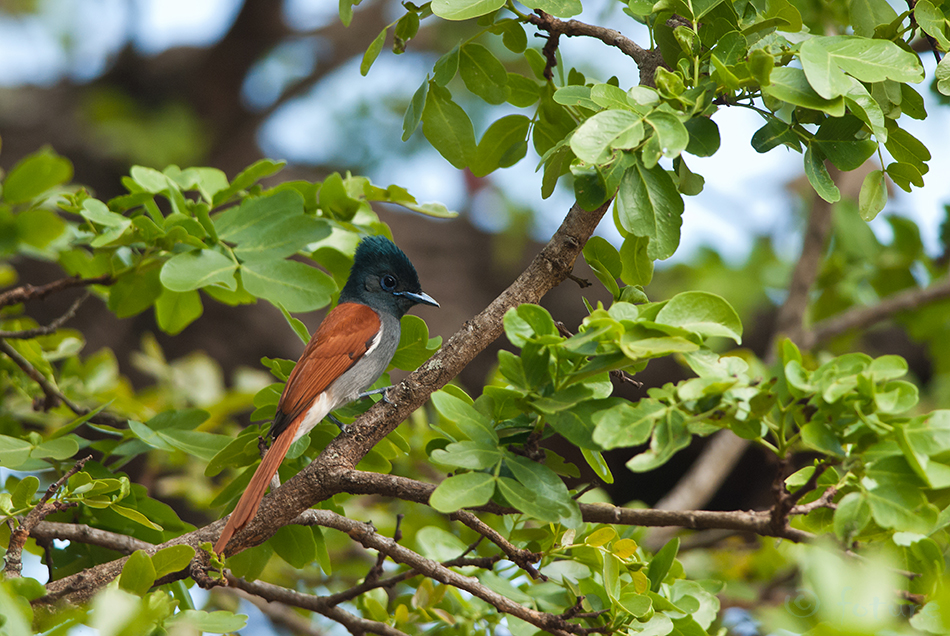
Salu-paradiisipiibik, Terpsiphone viridis granti

Salu-paradiisipiibik, Terpsiphone viridis granti, African Paradise Flycatcher, piibik
Salu-paradiisipiibik on välimuse poolest kindlasti Aafrika lõunaosa kauneim kärbsenäplane - linnule on antud nii värvi kui ka uhkeid sulgi. Emane ja isane lind on välimuselt üsna sarnased, neid eristab paaritumishooajal vaid saba, mis on isasel selgelt pikem. Lisaks saba ja tiibade võngutamisele, üritab isane emast võluda veel väikese tantsunumbriga, aeglaselt lenneldes ning sellega, et näidates kui vinge on ta suu sisemus. 
African Paradise Flycatcher is definitely the most beautiful flycatcher in southern Africa - it has nice colors and fancy feathers. Female and male bird are quite similar in appearance, but the difference is in the length of the tail during the mating season. The tail of the male is clearly longer than the female. In addition to the quivering of the tail and wings, the male tries to seduce the females with a small dance number, flying around slowly and showing off the bright inside of its mouth.
Nagu ma ütlesin - saba on pikk. Kohe nii pikk, et ei mahtunud pildile ära :) Hlane kuninglik rahvuspark, Svaasimaa.
Like I said - the tail is long. Even that long that it did not fit to the picture:) Hlane Royal National Park, Swaziland.